
Colorado Sun Ends Water Series With Low-Volume Recipes
Five readers submitted dishes that use drought-resistant crops, marking the final chapter of a yearlong investigation into state water security.
By Noor Morgan ·
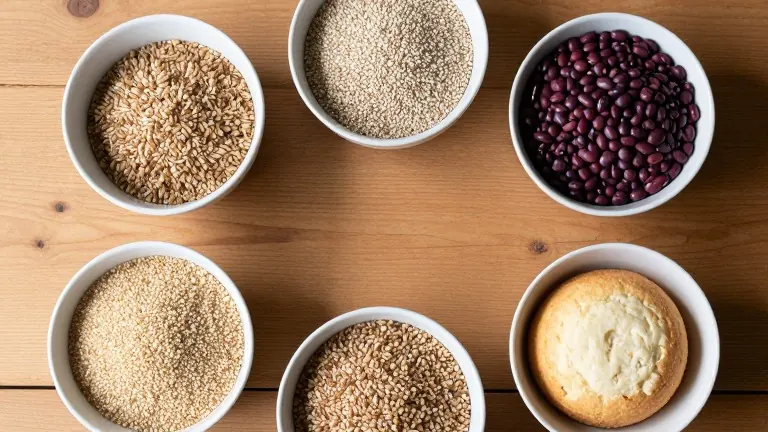
Five distinct recipes form the final entry in a yearlong journalism series focused on water conservation in Colorado. The publications conclude their investigation by turning to domestic kitchens rather than infrastructure projects.
The initiative, titled Can Colorado do more with less water, tracked various attempts to secure the state's limited supply. Previous reports examined large-scale interventions such as cloud seeding for moisture generation and insulated blankets used to preserve snowpack. The series also assessed agricultural hurdles and market forces that prevent the widespread harvest of less thirst-intensive crops.
The current installment shifts focus to individual action. It presents solutions submitted by readers across the state. These contributors developed meals designed to be sustainable and flavorful. The goal is to demonstrate that small-scale habits can complement larger efforts to achieve water security.
Mark Easter, a resident who was recently diagnosed with prediabetes, shared a breakfast grain and legume recipe. He participated in a yearlong education program developed by the Centers for Disease Control and Prevention. The program is led by a registered dietitian. Easter’s dish combines steel-cut oats, steel-cut rye, and black-eyed peas grown on Colorado’s Eastern Plains. He cooks the mixture in a pressure cooker using five cups of water. The batch yields enough servings for a week.
Lee Recca contributed a hearty barley breakfast bowl. The dish utilizes two cups of cooked barley, eggs, and avocado. Recca suggests adding other vegetables to the skillet before the barley to warm them without overcooking. Dana Coffield submitted a recipe for prickly pear margaritas. She harvests the fruit from cacti on property in far southwestern New Mexico. Her method involves boiling the fruit to remove spines and creating a syrup with equal parts juice and white sugar.
Laura Puls provided a Tanzanian black-eyed pea and coconut soup. The recipe calls for one cup of black-eyed peas cooked in one quart of water. Puls simmers the legumes for up to one hour before adding tomato, honey, and coconut milk. She finishes the dish with sliced banana. Steffani Edwards submitted a Cajun black-eyed pea dish featuring ham and mustard greens. Her method requires soaking one pound of dried peas overnight. She simmers them with a ham bone and six cups of chicken stock for 60 to 90 minutes until the broth becomes thick.
Lynne Fox included a rhubarb upside down cake. The ingredient list calls for two cups of rhubarb cut into half-inch pieces. The source text lists brown sugar, nutmeg, and white sugar as components for the topping. The series aims to showcase signs of success or failure in creating water solutions across the state.
The reporting evaluates whether specific conservation projects can free up water at a large scale. It also considers whether local conservation is often overwhelmed by natural conditions or market realities. The final recipes represent a tangible application of the series' findings. They offer practical steps for residents to reduce water usage in their daily routines.
The series spans from Akron to Aspen. It documents the state's struggle with historic drought and climate change. Interstate conflicts over limited river supplies add urgency to the search for new water sources. The recipes provided by readers serve as a conclusion to this body of work.
The publication will not release further installments in this specific series. The final contribution focuses on the intersection of nutrition and environmental stewardship. Each recipe uses ingredients that require less water to produce than traditional alternatives. The collection stands as the concluding segment of the yearlong inquiry.