
Nigella Lawson Shares Recipe for Intense Sticky Toffee Pudding
Nigella Lawson's sticky toffee pudding recipe, featuring unsulfured molasses and Medjool dates, offers a deep and intense dessert experience best served warm with cream.
By Noor Morgan ·
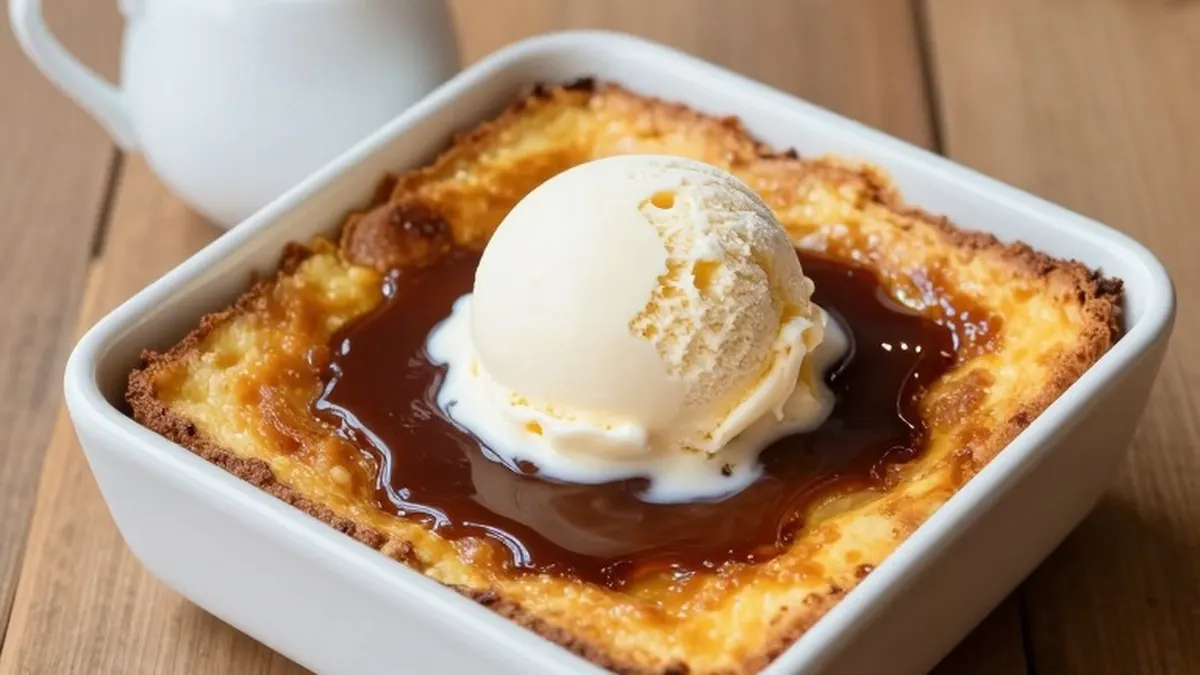
A new recipe featuring Nigella Lawson's signature sticky toffee pudding has been published by Food and Wine Magazine. The dessert, originally included in Lawson's 2018 cookbook At My Table: A Celebration of Home Cooking, is described as a particularly indulgent treat that has become a favorite within the magazine's test kitchen. The cake is characterized by its rich and sweet profile, derived from ingredients such as dates, molasses, and dark brown sugar.
Lawson notes that her version of the dish is deeper and darker than traditional iterations. She explains that the combination of dark brown sugar and molasses gives the cake an almost savage intensity. Although the dessert seems to evoke the aromas of ginger, cloves, and allspice, no actual spices are used in the preparation. Lawson describes this phenomenon as a miracle that should not be questioned.
The recipe calls for a specific type of molasses to achieve the desired flavor. Unsulfured molasses is recommended over sulfured varieties because it is produced from fully ripened sugar cane. This process requires no preservatives, resulting in a cleaner and more straightforward sweetness. Sulfured molasses, which is treated with sulfur dioxide, can sometimes impart slightly chemical or off flavors, making it less preferred by bakers and cooks.
For the cake component, the recipe utilizes chewy and sticky Medjool dates, though any dried date can be substituted. The preparation involves soaking the dates in boiling water with baking soda until they soften. The batter is created by beating softened butter and molasses until creamy, then incorporating dark brown sugar until the mixture is light and fluffy. Eggs are added one at a time, followed by all-purpose flour and baking powder. The soaked dates are lightly mashed and folded into the batter before it is poured into a greased nine-inch square baking dish.
The cake is baked in a preheated oven at 350 degrees Fahrenheit for 28 to 35 minutes, or until a wooden pick inserted into the center comes out clean. While the cake bakes, a sauce is prepared by combining dark brown sugar, butter, and molasses in a saucepan over low heat. The mixture is stirred until the butter melts and the sugar dissolves. Heavy cream is then stirred in and brought to a simmer over medium heat before being removed from the heat and covered.
Once the cake is removed from the oven, it is placed on a wire rack and pricked all over with a wooden pick. Approximately one-quarter of the warm sauce is poured over the top and eased to the edges to create a thick, sticky glaze. The remaining sauce is kept warm for serving. The cake is allowed to cool on the rack until it is just warm, which takes at least 20 minutes but can extend up to an hour.
The dessert is best served warm with a generous drizzle of heavy cream or a scoop of vanilla ice cream. The remaining sauce is provided in a pitcher for additional dipping. Lawson notes that the cake should not be eaten piping hot, as the optimum temperature is reached after the glaze has set during the waiting period. If there are any leftovers, she suggests that eating the cake cold makes it taste like magnificent sticky gingerbread.
Joe Baumgardner, the beverage director at JC Resorts in San Diego, recommends pairing the rich dessert with Madeira wine. He explains that Madeira is his preferred complement to big meals due to its dazzlingly bright acidity. The flavors and aromas of fig, hazelnut, and toffee in the wine are considered to be a dessert unto themselves, providing a beautiful balance to the indulgent cake.
More News · National news · Report a business · Got a Story?