Snow, Floods, and Record Heat: US Weather Divides Into Extreme Patterns
The National Weather Service forecasts simultaneous snowfall in the northwest, coastal flooding in Florida, and temperatures up to 20 degrees above normal in the Midwest.
By Amanda Valdez ·
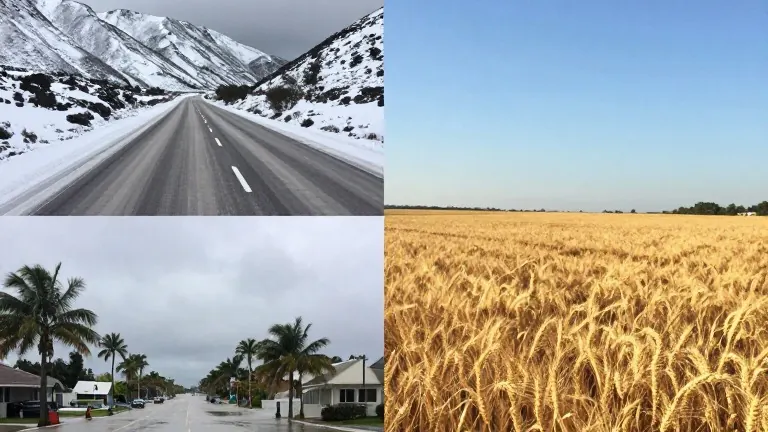
The National Weather Service issued a detailed forecast for Wednesday, October 28, 2026, predicting severe weather conditions across three distinct regions of the United States. The agency expects snowfall in the Pacific Northwest, coastal flooding in Florida, and unusually high temperatures in the central and midwestern states.
A storm system that moved through the region on Tuesday, October 27, continues to impact the Pacific Northwest. Rain is falling in low-lying areas of Washington, Oregon, Idaho, and western Montana, while snow covers higher elevations. The NWS warns that low temperatures are bringing snow close to mountain passes, making roads slippery for drivers traveling through those areas.
On the Atlantic coast, Florida is facing continued threats from high tides and strong winds. These conditions maintain a high risk of coastal flooding, beach erosion, and dangerous ocean currents. Isolated rain and storms are also expected in the Florida peninsula and Georgia coast. Meanwhile, dry conditions and windy weather inland in the southeast are increasing the risk of wildfires.
Temperatures in the Great Plains, Midwest, and Great Lakes region are running 10 to 20 degrees Fahrenheit above normal levels. Some locations may approach heat records, with maximum temperatures potentially exceeding 80 degrees Fahrenheit. The NWS predicts that rain and storms will continue in central and southern Florida on Wednesday, with localized flooding risks remaining high.
The forecast for Thursday, October 29, indicates that rain will persist in the northwest and snow will remain in the mountains. Coastal flooding and dangerous waves in Florida may begin to subside by the end of the day. Rain is also expected to reach parts of western and southern Texas.
The NWS advises residents to check local alerts, avoid beaches with strong currents, and drive with caution on snowy roads.
Source: KTVW-DT