Taiz siege quadruples fuel costs, forcing residents to cook over firewood
With land routes blocked and stations closed since October 5, families in Yemen's third-largest city face doubled food prices and halved water supply.
By Noor Morgan ·
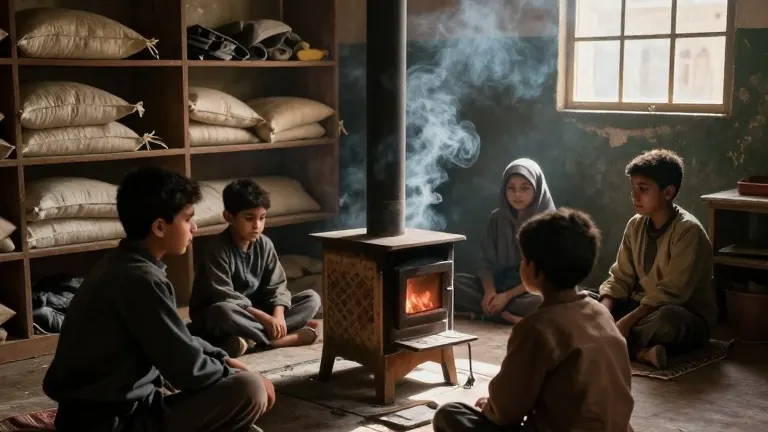
Residents of Taiz are eating rice and beans almost exclusively, sleeping in public buildings, and cooking with firewood as an eight-week blockade strangles the city's supply lines. The siege began in early October when two major land routes were severed, leaving the third-largest city in Yemen without a reliable path for goods.
The eastern al-Houban crossing closed on October 3 after government forces cited attempted incursions. The following day, on October 4, Houthi fighters captured al-Turbah, cutting the Taiz-Al-Turbah-Aden Road. This closure removed the primary artery for commercial freight. By October 20, the United Nations reported that security concerns and road blockages had halted vital supplies, causing available food and fuel prices to more than double while water production dropped by half.
Fuel shortages have driven costs to record highs. Petrol stations have remained closed since October 5. A 20-litre container of petrol now costs 120,000 Yemeni riyals, roughly $77, up from 30,000 riyals last year. Diesel has risen from 46,000 riyals to 90,000 riyals, and a cooking gas cylinder has jumped from 11,400 riyals to 40,000 riyals. Bus fares have increased by 150 percent, rising from 200 riyals to 500 riyals per trip.
The lack of diesel has disrupted water pumping and hospital operations. Tanker deliveries for drinking water now cost three times more than before the escalation. Local authorities state that access restrictions prevent tankers from reaching the Al-Dhabab basin, a key water source. Yousef Farhan, a 39-year-old father of four, lost his income selling cucumbers when his school workplace closed. He now spends his days gathering firewood to heat his family, who live in a school in the Wadi al-Qadi zone after being displaced by shelling.
Sayyun Burhan, 40, said her household survives day-to-day. Her husband’s store job ended, and his health limits new employment options. Her children stay indoors to avoid danger, missing school and playtime. In the medical sector, the World Health Organization warned on October 22 that 42 health facilities in Taiz face severe shortages of fuel, oxygen, and medicine. Fatima Khaled, 55, sleeps on the floor of the dialysis hall at Al-Jumhuri General Hospital because she cannot afford a nearby room or transport from her village.
The UN has confirmed that the blockade continues to restrict movement. Health officials report that 42 facilities are currently managing with limited oxygen and medical supplies. Residents continue to rely on firewood for cooking as gas prices remain at 40,000 riyals per cylinder.
Source: Al Jazeera