Airstrikes push Somali families toward rising Juba River
Residents in Jilib report constant drone attacks are forcing them closer to floodwaters just as El Niño conditions worsen.
By Marek Collins ·
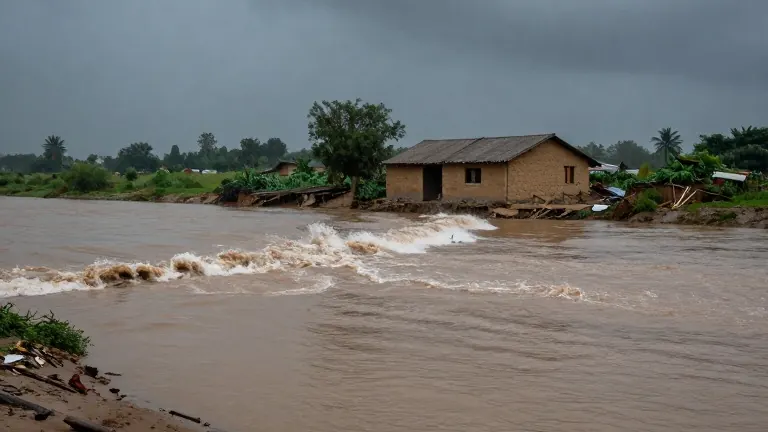
Families in southern Somalia are being driven toward the banks of the swollen River Juba by repeated airstrikes. Local residents say the attacks have left them with no safe place to go. They are moving closer to the water as the river rises.
Cayni Ali, a 27-year-old mother of six, described the situation in Jilib. Her home sits five meters from the river. She said the water had already reached her waist. "The drones come all the time," Ali stated. She added that both animals and civilians are being killed in the strikes.
Jilib serves as a stronghold for al-Shabaab, a militant group that controls 30% of the country. The area has been closed off from outside observers. This makes resident testimony a rare source of information. Asho Omar, from the nearby village of Malenda, described the strikes as constant. He said the frequency makes it difficult for people to move.
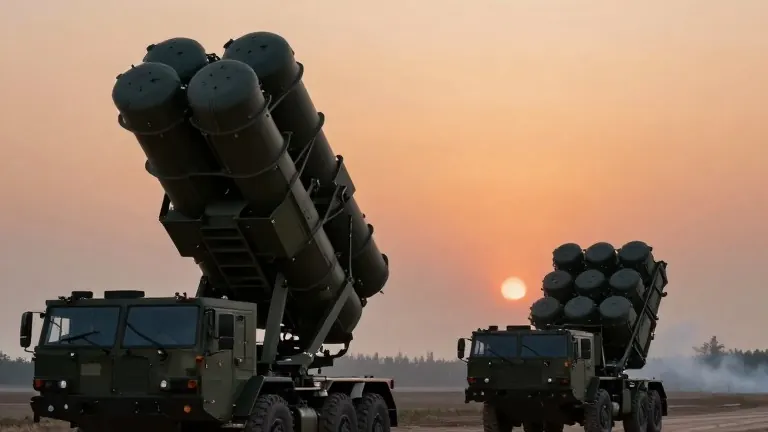
The United States coordinates the air campaign in east Africa. U.S. Africa Command, known as Africom, declined to share operational details. One source monitoring the Juba floodplain alleged that El Niño is being used as a weapon of war. The source claimed the strategy pushes the population into flood-prone areas. Africom rejected this claim. A spokesperson said the command targets lawful military objectives. The spokesperson stated that the U.S. does not use weather as a method of warfare and takes feasible steps to limit civilian harm.
The flood risk is severe. During the last El Niño event in 2023, Somalia experienced its worst floods in a century. More than 1.2 million people were displaced. UN agencies now call the Juba River basin an area of particular concern. The International Committee of the Red Cross expects severe flooding to occur. Arbey Famu, a 70-year-old resident of Ahmed Yare, said her maize and sorghum crops are already underwater.
Preparation for the floods is limited. Ali Adan Ali, the commissioner for displaced people in Jubaland, identified 327 flood-prone regions. Only half of those areas received El Niño warnings by October. Ali expressed worry about a shortage of boats. He fears thousands on the east side of the river will be unable to reach help in Kismayo. During the previous El Niño, 19,000 people were stranded for a week without food. Somalia's aid budget has dropped from $2.2bn in 2023 to about $300,000.
Official figures do not match resident accounts. Farhan Ahmed fled Jilib last month. He said strikes occurred every day and that one attack flattened five homes in his neighborhood. U.S. records confirm one airstrike in Jilib in August and six in the following month. The total number of strikes since the start of August is 11. The U.S. stated it publicizes all strikes conducted under its authority. The ICRC has treated 205 weapon-related injury patients in Kismayo this year. That number represents a 43% rise compared to last year.
Hunger adds to the danger. Omar's family of 13 survives on one small fish per day. Habiba Ali, 55, said her family shares a single daily meal of maize. Shukri Ahmed, president of Galbeed refugee camp, estimated that 6,000 people may have died in Kismayo's displacement sites since USAID was shut last year. Zakaria Mohammed, head nurse at an ICRC-supported hospital, reported a 40% rise in child malnutrition cases this year.
Source: The Guardian