Aurora residents face continued drought rules as reservoirs stay low
Utility officials confirmed that Stage One restrictions and surcharges will persist through next year because forecasts predict an average snow season.
By Marek Collins ·
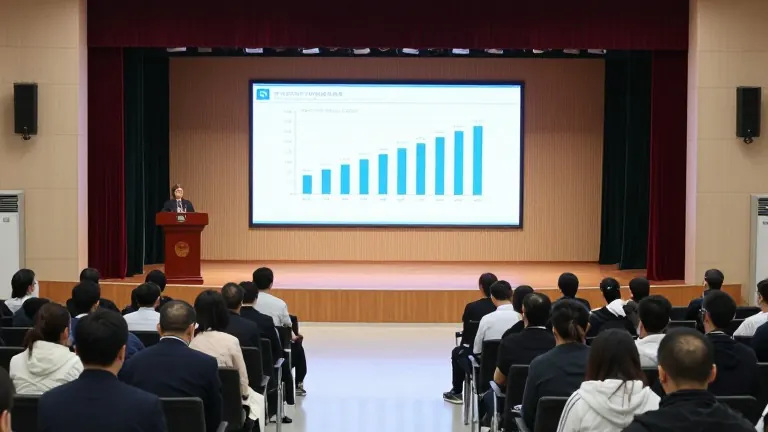
Aurora Water officials confirmed on Thursday that the city’s current water restrictions and drought surcharges will remain in effect for at least another year. Residents attending the utility’s first annual State of Water meeting received the update that reservoir levels are critically low and unlikely to recover in the near term, meaning households must continue to follow watering limits and pay additional fees on their bills.
The meeting took place at 6:30 p.m. on November 19, 2026. Aurora Water General Manager Marshall Brown presented the latest data on the state’s water supply. He noted that the utility had never before held this specific type of public forum to address the ongoing crisis directly.
Brown stated that reservoir levels stood at 38 percent full as of Wednesday. He projected that these levels would likely decrease further over the coming months. The utility currently operates under Stage One drought restrictions. These rules limit outdoor watering to specific days and require the use of efficient irrigation systems. A surcharge is also applied to accounts that exceed certain usage thresholds.
Forecasts for the upcoming winter predict an average amount of snowfall. Brown explained that breaking out of the current deficit would require multiple major snow events. An average season does not provide enough water to fill the reservoirs to historical levels. Consequently, the utility expects to maintain the current regulatory framework through the next watering season.
Brown identified landscaping as a primary driver of water consumption. He noted that outdoor spaces account for roughly half of the community’s total water supply. Much of that usage is attributed to Kentucky bluegrass. To address this, Aurora Water is currently offering rebates to homeowners who replace high-water turf with drought-resistant plants. Residents expressed interest in these incentives but noted the long time horizon of the drought.
Yvonne Gilstrap, a resident attending the meeting, discussed the practical impact of a potential five to eight year drought cycle. She said she is investigating zero-escape landscaping options but is hesitant to abandon her current yard entirely. Other residents raised questions about the water footprint of new infrastructure. Brown addressed data centers, stating that if they are built in Aurora, they will only use water for an initial system fill. He clarified that these facilities will not use water for cooling processes after that initial phase.
Gregory Majersky, another attendee, called for more than temporary fixes. He argued that the current strategy of hoping for rain and cutting back during lean times is insufficient. Majersky said the community needs drastic, long-term changes to its water management approach. The meeting concluded with Brown summarizing the next steps for the utility’s conservation program.