
Fake hotel sites cost travelers hundreds
A new survey finds over half of consumers cannot distinguish between official and deceptive booking platforms.
By Marek Collins ·
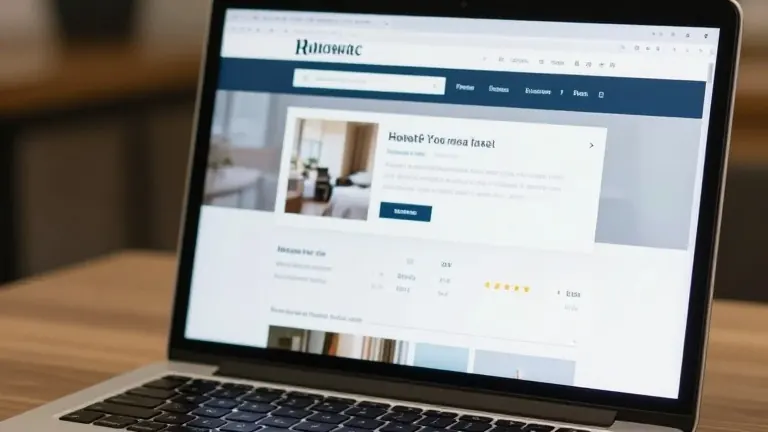
More than half of American travelers are paying hundreds of dollars in extra fees to deceptive hotel booking websites that mimic official brand sites. The American Hotel & Lodging Association released a new survey on Friday that found 52% of consumers mistook these third-party platforms for genuine hotel pages.
Cheri Young, a hospitality management professor at the University of Denver, described the sites as legal middlemen operating in a gray area. She noted that the platforms use publicly available photographs and artificial intelligence to create convincing visuals that are indistinguishable from official chain websites.
Young demonstrated the financial impact through a booking experiment at a Westin hotel near Denver International Airport. The official website listed a one-week room rate at approximately $3,500. A deceptive site selling the exact same room charged $4,400, adding $900 to the base price through high fees, service charges, and taxes.
Travelers who book through these gray-market sites often face rigid non-cancellation policies and difficult-to-reach customer service teams. The deceptive sites frequently appear in search results as sponsored advertisements, making them easy to miss.
The association advises consumers to avoid sponsored ads and check website names for red flags, such as added domain names like GuestReservations.com attached to the hotel chain. It also suggests caution regarding room rates that seem unusually low.
The group is currently working with lawmakers to draft legislation for 2027. The proposed rules would require third-party booking sites to clearly disclose their lack of affiliation with the hotel brands they represent.