Amazon drops plans for four Virginia data centers after local pushback
The tech giant will convert the Loudoun County site into homes and parks, donating land and money to the county.
By Neha Iyer ·
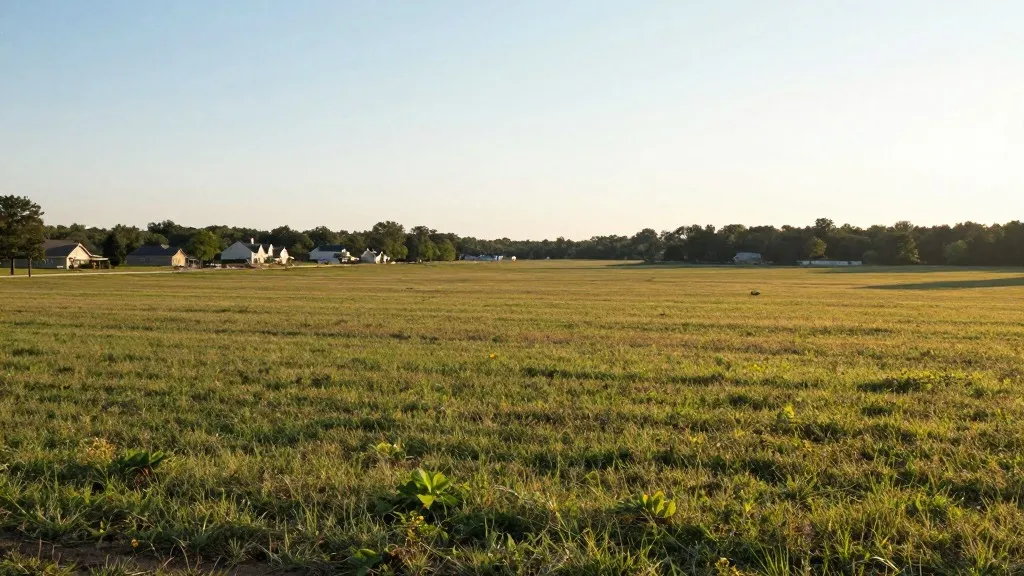
Amazon has officially withdrawn its proposal to construct four new data centers on a former university campus in Loudoun County, Virginia. Instead of the massive server farms, the company will dedicate the majority of the 122-acre property to mixed-use and residential development. In a significant gesture to appease local stakeholders, Amazon will also donate 25 acres of the land to the county for a community arts center and recreational facility. Furthermore, the company is contributing $5 million to the local housing fund, marking a substantial shift in its regional infrastructure strategy.
This development follows a relatively short timeline of negotiations. Amazon initially submitted its proposal in July, aiming to expand its footprint in an area already known for its high density of data centers. However, the plan faced immediate resistance. In September, company representatives met with Phyllis J. Randall, the Chair of the Loudoun County Board of Supervisors. During these discussions, county officials expressed strong reservations about adding more power-hungry facilities to the grid, suggesting that an alternative use for the land might be more beneficial for the community.
Josh Weissman, Amazon’s vice president for data center development, explained that the company originally seized the opportunity to purchase the site when it became available. He acknowledged that while Amazon viewed the legal development potential of the land differently than the county, they ultimately decided to avoid costly litigation. Weissman stated that the best path forward was to align with a shared vision for the campus rather than continue to debate the specifics of the data center buildout.
The decision comes amid a broader national conversation regarding the impact of AI-driven infrastructure. As demand for cloud services and artificial intelligence grows, the need for larger facilities has intensified. However, local communities are increasingly wary of the noise, energy consumption, and potential spikes in electricity prices associated with these projects. Recently, President Donald Trump called for data center operators to share the burden of energy costs with local communities, suggesting that these facilities should generate their own power and return excess energy to the grid.
County officials are framing this agreement as a positive outcome of open communication. Randall noted that choosing dialogue over confrontation allowed the county to secure new spaces for residents to gather and play. She emphasized that the most important benefit for her is the provision of more attainable homes for working families in the area. The site will now serve a dual purpose, balancing residential needs with public amenities.
For Southwest readers, this story highlights a growing trend where local opposition can alter major tech infrastructure plans. While the demand for AI processing power remains high, the physical and financial constraints of local power grids are becoming a decisive factor. Amazon’s pivot in Virginia suggests that future data center projects may face similar hurdles if they do not adequately address community concerns regarding energy and land use.
Looking ahead, the site is set to undergo transformation from a planned tech hub to a mixed-use neighborhood. The donated acres will soon be repurposed for public recreation and the arts, while the housing fund contribution aims to ease local affordability pressures. This outcome demonstrates that even major tech companies may adjust their long-term plans when faced with sustained local backlash and clear environmental or infrastructural limits.
Source: Tom's Hardware