American University of Afghanistan: US Withdrawal Leaves Women's Education in Limbo
The termination of a major US grant to the American University of Afghanistan creates uncertainty for approximately 1,000 students, the majority of whom are women studying in secret.
By Tunde Adeyemi ·
The American University of Afghanistan (AUAF) faces a significant disruption to its operations after the United States decided to stop funding the institution. This move effectively severs the primary financial lifeline for one of the last remaining places where women in Afghanistan can pursue a university degree. The decision places the future of the university, and the students it serves, in a state of deep uncertainty as they navigate a changing political landscape.
The scale of the impact is substantial, as AUAF currently serves roughly 1,000 students. Approximately three-quarters of these students are women, making the university a critical hub for female higher education in the country. The US had long been the dominant financial backer, accounting for nearly 90% of the university's funding as of 2018 according to a US report. With the recent refusal of a $25 million grant, the institution must now scramble to find alternative sources of support to keep its doors open.
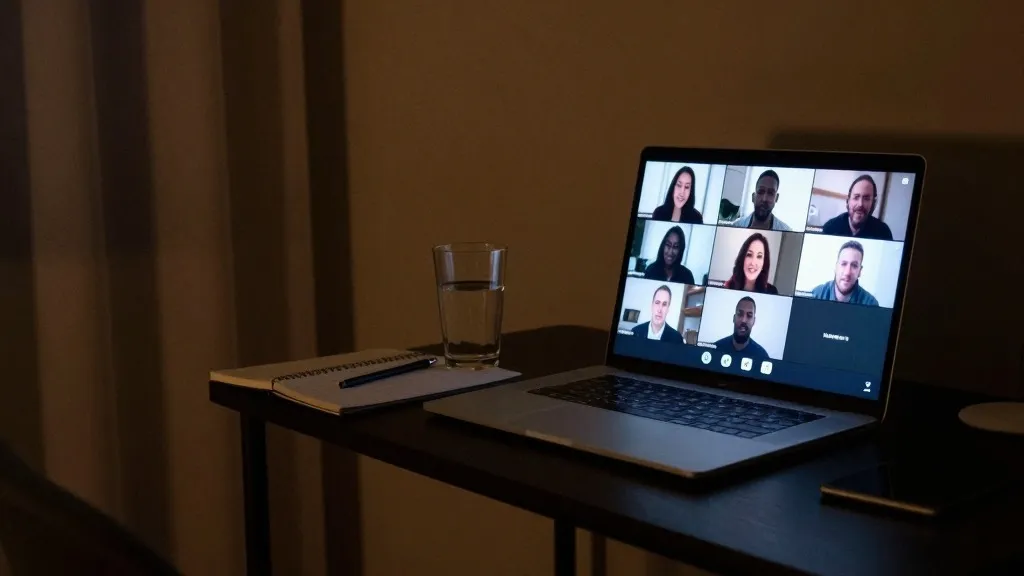
For Laila, a mid-twenties political science and international studies student, the news arrived via email one night. She had woken up for water and found the message that altered her future. Her name has been changed for safety, a common practice among those connected to the university. Laila is part of a cohort that studies through an online program because the Taliban have taken control of the physical campus. She joins lectures from home, using an alias and keeping her camera off, knowing her classmates primarily by their voices.
Laila's academic journey has been marked by interruptions and risk. When the Taliban returned to power in August 2021, she was at a different university in Kabul with only two exams remaining. The subsequent ban on women's education in December 2022 left her degree unfinished. She eventually secured a scholarship to AUAF to restart her studies, a path she noted was not available to every girl. She now fears that officials may search her phone for university correspondence, a worry compounded by previous home inspections by Taliban authorities.
The university was established in 2006 with the goal of training future leaders, particularly women. Former US first lady Laura Bush announced the initial US commitment, which involved millions of dollars. Patrick Fine, who served as the Afghanistan mission director at USAID, recalled that the idea was seen as risky by some within the agency. However, the Bush administration viewed it as an opportunity to stabilize a young democracy and build goodwill for the interim government.
Over the years, the university's financial management drew scrutiny from Washington. US inspectors launched an investigation into its finances in 2016. By 2018, they concluded that poor accounting practices made it difficult to trace how aid money was spent. John Sopko, a former US federal inspector who oversaw the probe, expressed surprise that the university was still receiving funds. He stated, "I was surprised they were still funding AUAF," highlighting the internal debate over continued support.
The State Department press office recently told DW that the decision to end funding reflected the university's history of repeated lack of accountability for American taxpayer dollars. Fine disputed this characterization, calling it smear tactics. He acknowledged that earlier audits found the university struggled with USAID's extensive rules but noted that they did not uncover major fraud. He maintained that AUAF remained a worthy investment because it continues to reach Afghan women in a restrictive environment.
While the United States is not the sole donor, its withdrawal leaves a significant gap. The State Department indicated that the university is free to identify other funders and partners, meaning operations do not necessarily have to cease. However, without the substantial $25 million grant, the financial outlook remains precarious. The institution must now secure new revenue to cover its costs and maintain its educational programs.
The stakes are highest for the students themselves. Laila described the news as crushing, saying she has lost all motivation and hope. She has barely left her room since learning of the funding cut and now wonders if another lecture will ever follow. She had expected to graduate years ago and pursue a master's degree abroad. Now, she fears she may not find a way to continue her education for another five to ten years, illustrating the personal cost of the funding decision.
Source: Deutsche Welle