Apple Redefines Personal Music With 25-Year-Old iPod Launch
A quarter-century ago, a 5GB hard drive in a card-sized shell changed how people carry their favorite songs.
By Ama Boateng ·
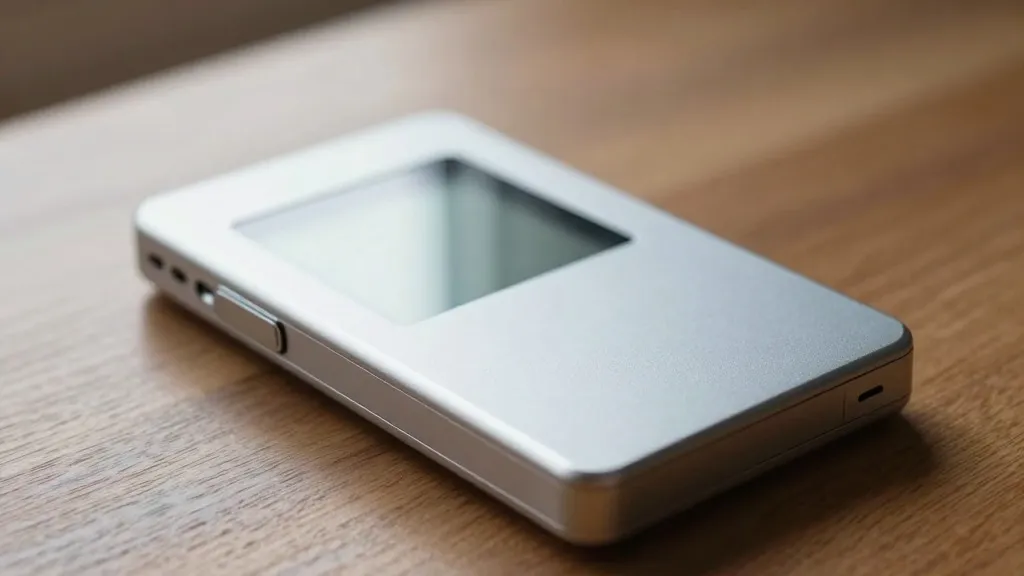
For two decades, the battle for consumer attention in the portable electronics market was defined by a single, specific tension: how to fit a vast library of high-fidelity music into a device small enough to fit in a pocket. In 2001, Apple CEO Steve Jobs resolved this conflict by unveiling a device that promised to hold 1,000 songs in a package no larger than a deck of cards. This launch, which occurred exactly 25 years ago this week, marked a pivotal moment in technology history where storage capacity finally caught up with consumer desire for convenience.
The primary claim of the original iPod was that it could deliver an entire music collection for a price of $399. At the time, the market was fragmented across several competing technologies, including CD players, MP3 CD players, and flash-based devices. Jobs argued that none of these existing options had found the correct recipe for digital music. He identified the hard disk-based jukebox player as the optimal entry point, leveraging a new 1.8-inch hard drive from Toshiba that was both ultra-compact and thin enough to make a pocket-sized player viable.
The device measured 2.4 by 4 by 0.78 inches and weighed just 6.5 ounces, making it lighter than most cell phones of the era. Despite its small footprint, the hardware included a rechargeable lithium-polymer battery that offered 10 hours of continuous playback. Apple stated that an empty battery could be recharged to 80 percent in a single hour, ensuring the device remained a reliable companion for long commutes or flights.
Speed was a critical differentiator for the product. The iPod utilized a FireWire 400 connection, which Jobs described as the first and only music player to use this interface. This connection allowed for the transfer of an entire CD of music in five to 10 seconds, a stark contrast to USB connections of the time, which reportedly took around five minutes for the same task. Filling the device with 1,000 songs could be done in approximately 10 minutes, whereas a USB-based competitor would have required five hours.
The user experience was designed for single-hand operation, featuring an accelerated scroll wheel with tactile feedback provided by a piezoelectric clicker. This allowed users to navigate playlists, artists, or specific songs quickly. The device also included 20-minute skip protection and supported standard audio formats of the era, such as MP3, WAV, and AIFF. The launch coincided with the release of iTunes 2, which introduced Auto-Sync functionality to ensure that customized libraries on a Mac were always mirrored to the portable player.
While the iPod dominated the market for over a decade, its lifespan was eventually shortened by the rise of the smartphone. The first iPhone arrived in early 2007, and the two devices coexisted for years. The product line continued until May 2019, when the seventh-generation iPod Touch was released. Although the line was left unmaintained for a time, Apple officially discontinued the iPod in May 2022, closing the chapter on a device that fundamentally changed how people consume music on the go.
The legacy of the original iPod remains a case study in product design and market timing. It demonstrated that a company could successfully pivot from desktop computing to mobile entertainment by solving a specific user pain point. The combination of affordable storage, fast transfer speeds, and intuitive design created a standard that subsequent competitors were forced to match.
Source: Tom's Hardware