Federal Regulators Push Cyan Lights for Driverless Vehicles
New proposed rules aim to standardize how robotaxis communicate their automated status to the rest of the road.
By Marcus Johnson ·
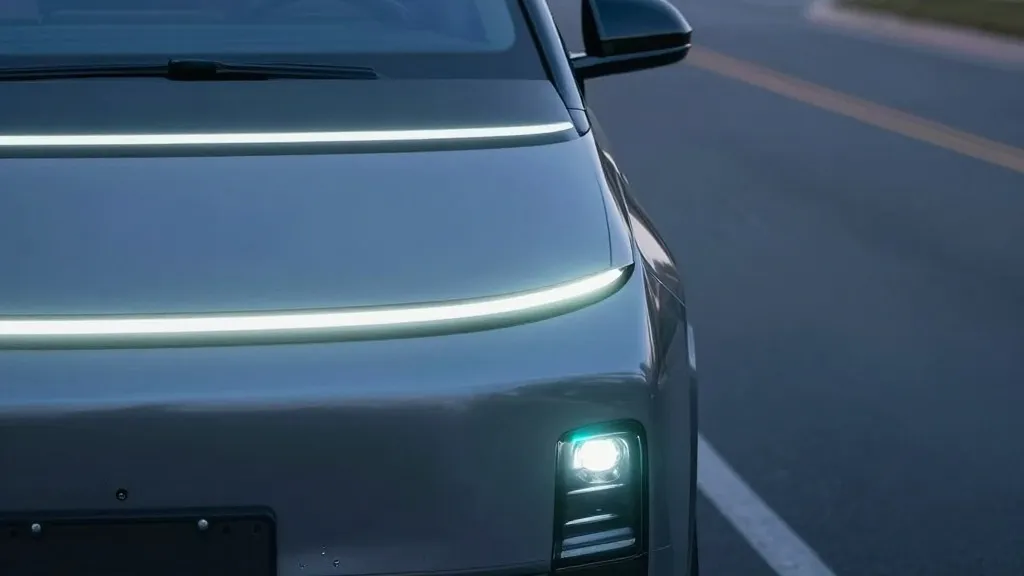
The federal government has proposed that driverless cars use cyan-colored lights to tell other road users that a human is not at the wheel. This single color choice ends years of debate over how autonomous vehicles should signal their status. Regulators believe a distinct blue-green hue is the clearest way to communicate this information to drivers and police. It offers a visual cue that is distinct from the lights already in common use. This approach aims to make robotaxis easier to recognize in traffic.
The National Highway Traffic Safety Administration released these changes as part of an update to Federal Motor Vehicle Safety Standard 108. The new rules specifically rewrite existing guidelines to fit autonomous vehicles. The proposal seeks to cut red tape for designs that do not have human drivers. It also standardizes how these vehicles communicate with the world around them. The core of the lighting proposal is the use of cyan marker lamps. These lights would clearly signal when an automated driving system is operating the vehicle.
Cyan was chosen because it fills a visual gap in current automotive lighting. The industry already uses red, amber, white, and flashing blue or red lights for brakes, turn signals, headlights, and emergency vehicles. A blue-green light does not conflict with these existing standards. This reduces the chance of confusing other drivers or law enforcement. There is some precedent for this idea. Mercedes-Benz received state-level approval for turquoise lights on its Level 3 Drive Pilot cars. However, the automaker has since dropped that plan in favor of a different system. NHTSA wants to create a national standard for companies like Waymo, Nuro, Zoox, GM, and Mercedes to follow.
Under the proposed rule, cyan marker lights would be optional for manufacturers. However, the agency wants to set official federal standards for their color, brightness, and location. This ensures that any automaker who chooses to add them uses a consistent and legal setup. It prevents a confusing mix of different colors and signals from different brands. The goal is uniformity across the industry. This helps maintain a clear and consistent visual language for autonomous vehicles on the road.
The proposal also removes lighting requirements that do not make sense for vehicles without human drivers. Current rules demand physical hazard switches, manual beam shifters, and turn levers inside the cabin. NHTSA is proposing to remove these specific requirements. This allows for more flexible interior designs. The agency is also updating the 12.8-volt testing standard. This change helps automakers build around modern LED architectures without facing unnecessary administrative hurdles. Additionally, NHTSA is considering dropping requirements about the physical placement of high-beam and low-beam lights.
This update is part of a broader push by the Department of Transportation to streamline the deployment of autonomous vehicles. The government aims to make it easier for automakers to build cars without traditional controls. Features like steering wheels and pedals are often designed for human operation. Removing these requirements allows for more innovative vehicle designs. This aligns with the long-term goal of integrating driverless technology into the mainstream. It supports the transition from human-driven to machine-driven transportation.
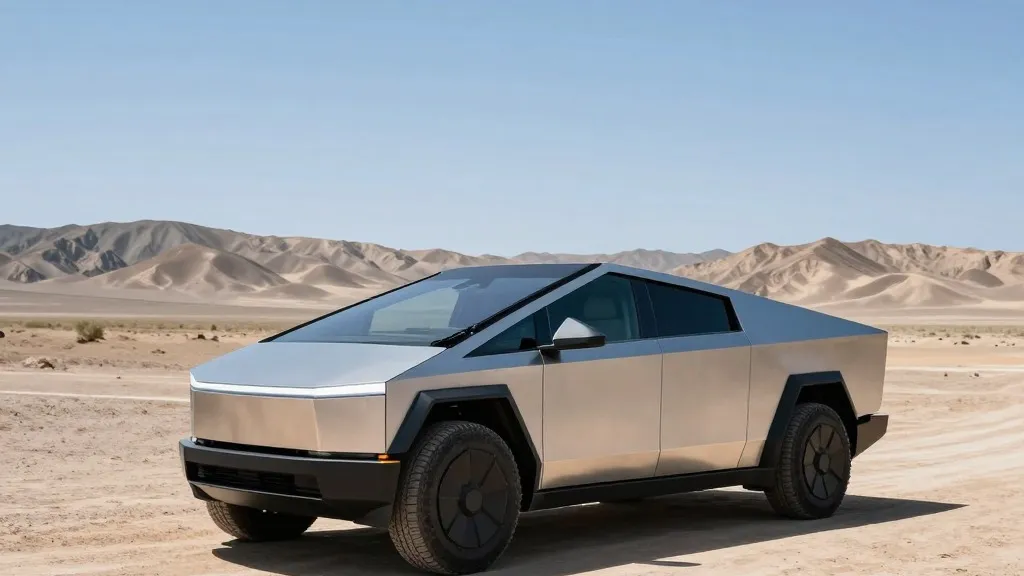
Despite these new proposals, regulators are still enforcing current rules as written. Last month, NHTSA opened an audit query into the Tesla Cybercab. The agency is examining the process and technical data Tesla used when certifying the vehicle. The main issue is the absence of certain design features. These include sideview mirrors, pedals, and a steering wheel. All of these are currently required under Federal Motor Vehicle Safety Standards. This action shows that the regulatory landscape is still evolving. Automakers must navigate both the new proposed changes and the existing rules until they are fully updated.
Source: The Verge