Former Chihuahua Prosecutor Faces Treason Trial After Fatal Cross-Border Incident
A federal judge is set to decide if a former state official can be tried for treason following a vehicle accident that killed two Americans and two Mexican colleagues during a joint raid.
By Amanda Valdez ·
The relationship between U.S. intelligence agencies and Mexican state officials has entered a contentious legal phase following the death of four people in a mountainous region of northern Mexico. The incident, which occurred last spring, has now escalated into a formal criminal proceeding that could define the limits of foreign involvement in local law enforcement for years to come.
Federal prosecutors have filed a treason charge against César Jáuregui, the former attorney general of the state of Chihuahua. The allegation centers on his approval of a joint operation with American agents without securing prior authorization from the federal government in Mexico City. A federal judge is scheduled to rule this Saturday on whether the indictment will proceed to trial. If convicted, Jáuregui faces a prison sentence ranging from five to forty years.
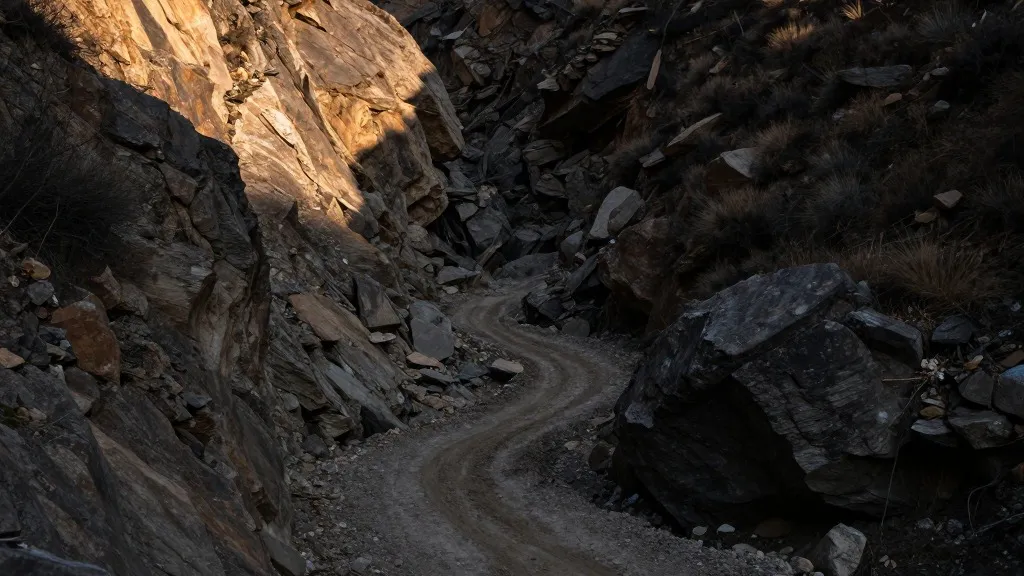
The dispute originates from an April mission aimed at dismantling a large-scale chemical drug laboratory in the municipality of Morelos. On April 19, state authorities announced the successful destruction of the site, which Jáuregui had described as one of the most significant production locations in the country. However, the convoy suffered a fatal accident on the return journey when one vehicle left the road and plunged into a ravine. The crash killed two Mexican state officials, Pedro Román Oseguera Cervantes and Manuel Genaro Méndez Montes, along with two Americans. No suspects were captured as they fled the scene.
At the time of the accident, Jáuregui characterized the deceased Americans as instructor officers engaged in training tasks under binational cooperation agreements. He later resigned his post to allow for an independent inquiry into the event. On October 17, he was arrested on state charges of illegally exercising his public office, and a judge recently cleared those state charges for trial before the federal treason allegation was added to the case.
Federal investigators argue that Jáuregui endangered national security by permitting foreign agents to participate in a field operation, a decision they contend is reserved for the central government. Defense attorney Héctor Villasana stated that prosecutors told a closed hearing they sought an exemplary punishment to prevent future scenarios similar to the recent U.S. removal of Venezuelan President Nicolás Maduro. While the U.S. State Department confirmed it is monitoring the case, it stopped short of linking the legal action directly to the deaths of the two American citizens.
Legal scholars have expressed skepticism regarding the strength of the treason claim. Samuel González, a former chief prosecutor for organized crime, noted that while Jáuregui may have failed in his duties by not notifying federal authorities or by allowing foreign agents to carry weapons, such errors typically do not constitute treason, which he described as a crime of war. Carlos Pérez Ricart, a professor at the CIDE university, observed that the case will generate significant public attention regardless of the outcome. He characterized the move as a political decision ahead of the 2027 midterm elections and warned that it sends a negative signal to Washington.
Conflicting accounts have emerged regarding the official status of the two deceased Americans. U.S. Ambassador Ronald Johnson initially referred to them as embassy personnel, while multiple sources familiar with the matter later identified them as CIA agents. The CIA has declined to comment on the specific roles of its staff. Mexico's security ministry revealed that one individual entered the country as a visitor and the other held a diplomatic passport, and that neither possessed formal accreditation for operational activities. Two other U.S. agents who traveled in a separate vehicle were subsequently expelled, and President Claudia Sheinbaum stated that none of the visitors had permission to conduct operations in Mexico.
This case highlights a long-standing friction point in bilateral security cooperation. Former President Andrés Manuel López Obrador attempted to restrict U.S. agency activities within Mexico, and President Sheinbaum has since amended the Constitution to prohibit field operations without express Mexican authorization. Pérez Ricart noted that such actions have frequently occurred without federal knowledge, warning that the lack of clear rules can lead to abuses. The upcoming judicial decision will test how strictly these new constitutional boundaries are enforced.
Source: CBS News