Lula wins fourth term; Flávio Bolsonaro sues to void vote
Brazil’s president secured a comeback victory against the far right, prompting his opponent to challenge the result based on changes to voting hours.
By Noor Morgan ·
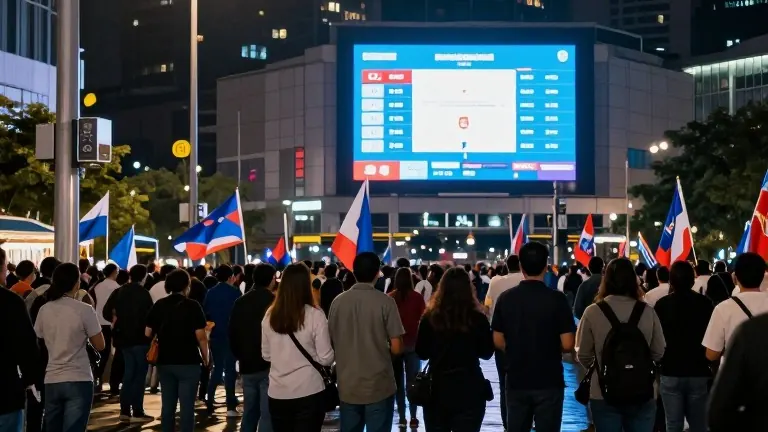
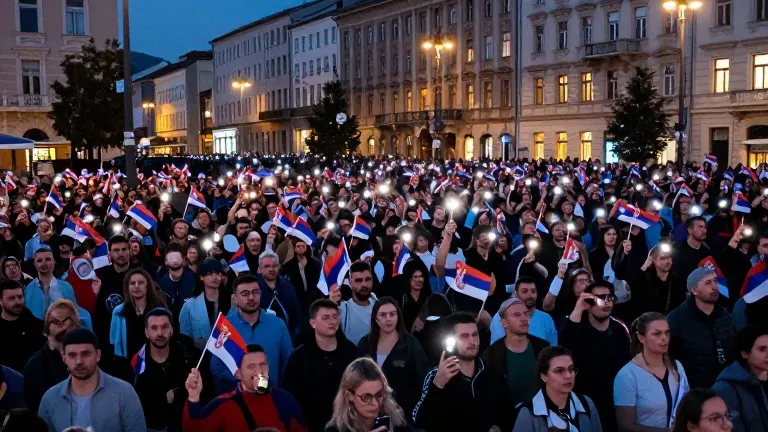
Luiz Inácio Lula da Silva won his fourth term as Brazil’s president on Sunday, defeating far right candidate Flávio Bolsonaro in a decisive election result. The victory marks the end of a tight campaign and positions Lula to continue his administration, which has focused on economic growth and social programs. Flávio Bolsonaro, the son of former president Jair Bolsonaro, has already signaled he will contest the outcome.
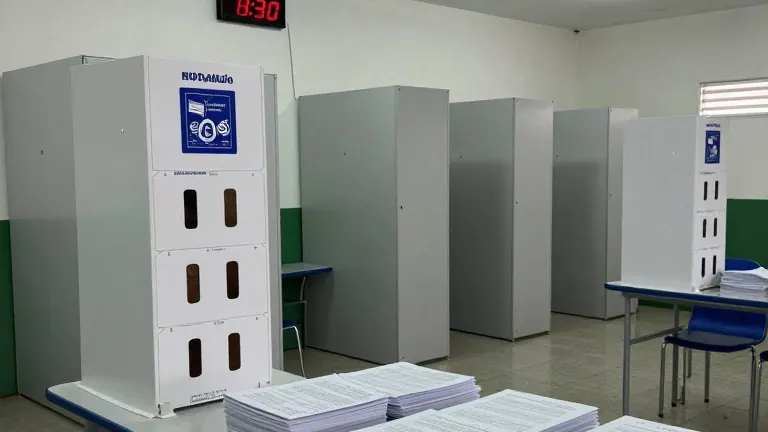
Flávio Bolsonaro refused to concede defeat immediately after the polls closed. He filed a request to annul the election results, citing a decision by a Supreme Court justice to extend voting hours as the primary reason for the challenge. This mirrors a dispute from four years ago when his father, Jair Bolsonaro, also rejected Lula’s initial victory before attempting to overturn the result and facing criminal conviction for those efforts.
Lula, the first working class leader elected to the presidency in Brazil’s history, has spent his career fighting to lift millions of people out of poverty. His political career spans five decades, and this election is viewed as the culmination of that long journey. The result serves as a direct rebuke to the far right faction that has dominated much of Brazilian politics in recent years.
Tom Phillips, a correspondent in São Paulo, noted that the reaction from the Bolsonaro camp was expected but likely to have limited impact on the final outcome. He stated that world leaders are already moving to recognize Lula’s win, suggesting the path to overturning the result is difficult. Phillips described the victory as the crescendo of an incredible 50 year political career for the president.
The election takes place against a backdrop of significant political tension in Brazil. Lula’s government has often clashed with the judiciary and the military, institutions that have historically played active roles in Brazilian governance. The immediate challenge for Lula will be managing the transition while Flávio Bolsonaro pursues his legal arguments for a new vote.
The result confirms the continued strength of Lula’s coalition among working class voters in the country’s major urban centers. Flávio Bolsonaro’s bid for annulment places the dispute in the hands of the electoral courts, where it will be tested against existing laws regarding voting procedures and time extensions. The outcome will determine whether Lula begins his new term immediately or if the country faces further legal delays.
Source: The Guardian