Service workers and absent voters shape Brazil's final presidential vote
Factory closures in Osasco and a record 33 million abstentions have altered the political math for Lula and Flávio Bolsonaro.
By Marek Collins ·
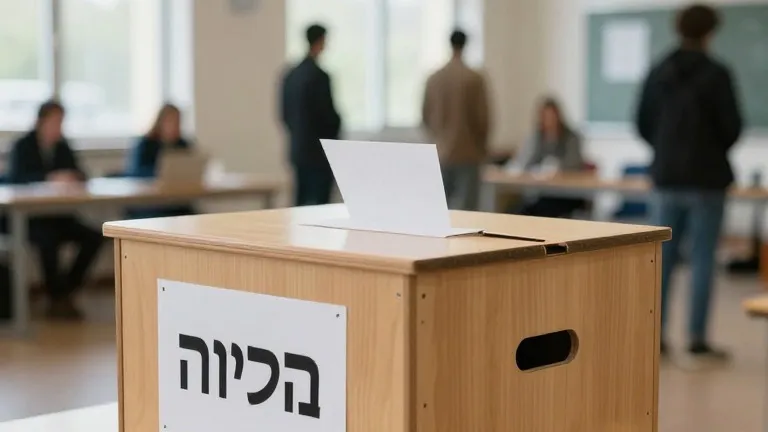
Brazilians will cast ballots in the presidential run-off on Sunday, October 25. The race is defined by a shift in the labor force and high abstention rates that have complicated the path for incumbent President Luiz Inácio Lula da Silva. While the first round saw Bolsonaro secure a national lead, the final outcome now hinges on voters who previously favored the left.
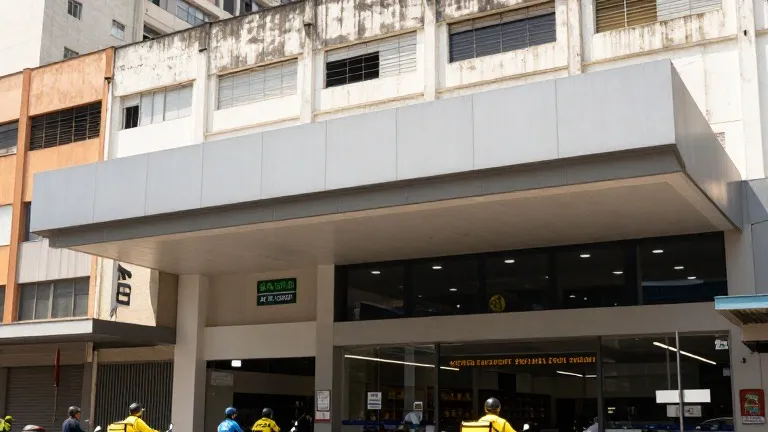
In Osasco, a city near São Paulo known for its manufacturing history, the economic change is visible. Shopping malls and delivery app headquarters have replaced metal, chemical, and textile factories. Gilberto Almazan, who leads a local metalworkers' union, says the traditional industrial working class has largely vanished. He notes that five malls were built in the area where factories once stood. Almazan describes the union movement that helped elect Lula in 2022 as outdated.
The rise of gig work has created a new voter base. Many Brazilians now work as drivers, couriers, or small traders. Almazan refers to this trend as the Uber-isation of the economy. These workers often prioritize flexibility over the collective bargaining and welfare benefits associated with Lula. Richard Lapper, a biographer of both candidates, argues that Brazil industrialized late and deindustrialized early, intensifying the economic shock. He calls Lula a victim of his own success in creating a modernized economy.
Economic indicators show mixed results for the incumbent. Unemployment is at a record low, and Brazil was removed from the UN Hunger Map. However, residents cite high prices and household debt. Robson, a 53-year-old civil servant who previously supported Lula, blames the government for a heavy tax burden. Tairine, a hot dog seller, says she is switching to Bolsonaro because she sees no change. Gisele Bonfim, a lawyer who voted for Lula in 2022, supports Bolsonaro for the hope of change he offers.
Flávio Bolsonaro has proposed cutting government spending and ministries while keeping some welfare programs. He denies ongoing corruption accusations. In the first round, 33 million people did not vote. This is the highest number of abstentions since 1998. Lula’s campaign is responding with large street rallies. One event in São Paulo drew approximately one million people, according to the campaign.
Among poorer voters, Lula’s record still holds weight. In Maré, a large favela in Rio de Janeiro, abstention was above average, but Lula retained support. Vitoria, an 18-year-old mother, cites the minimum wage increase and free medicines as reasons to stay with Lula. She opposes Bolsonaro’s plan to designate the Comando Vermelho gang as a terrorist organization, fearing police actions similar to raids in Rio last year that killed more than 130 people.
Evangelical churches are playing a larger role in community support. About a quarter of Brazilians attend these congregations. Pastor Silas Malafaia, who is under investigation for allegedly obstructing the coup trial of Jair Bolsonaro, says Flávio Bolsonaro shares values on family and abortion. Despite this, Almazan fears the era of Lula is ending. He says there will never be another Lula, a sentiment that reflects the uncertainty surrounding the final vote.
Source: BBC News