Maryland schools serve invasive catfish
Caroline County Public Schools is adding blue catfish to lunch menus to help control the invasive species population in the Chesapeake Bay.
By Noor Morgan ·
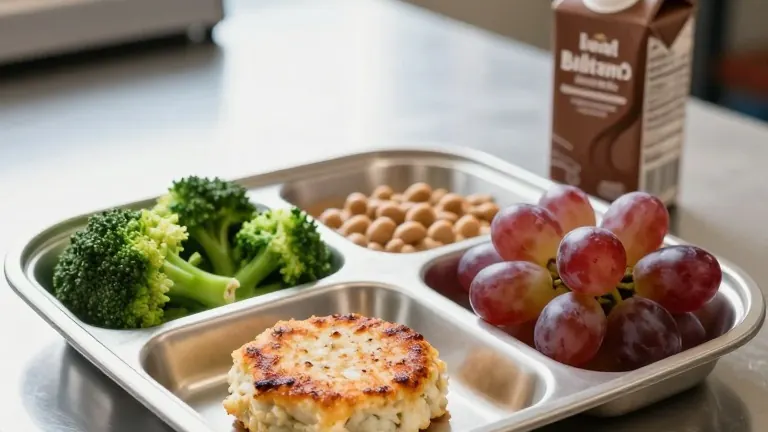
Students at Preston Elementary School in Caroline County, Maryland, ate blue catfish cakes during lunch on Friday. The dish, nicknamed the catty patty, appears on the menu several times a month alongside standard items like grapes and broccoli. Second-grader Ben Rochon described the food as yummy, while fifth-grader Teagan Donovan preferred to eat the patty without the bun.
Beth Brewster, who oversees food services for Caroline County Public Schools, began the program after state officials approached her about eight years ago. Karen Fedor, administrator of the Farm and Food Programs at the Maryland Department of Agriculture, recalled asking Brewster to help tackle the invasive species by creating recipes that met federal dietary requirements. The resulting crabcake-style dish has since expanded to other districts in Maryland and Virginia.
The blue catfish, native to the Midwest, was introduced to Virginia rivers in the 1970s for recreational fishing. Officials expected brackish water to limit the fish's spread, but the species adapted to salinity. Following record rainfall in 2018, the fish moved into new habitats. Branson Williams, manager of the Invasive Fishes Program for the Maryland Department of Natural Resources, states that blue catfish now occur in every tidal tributary of Maryland and the Chesapeake Bay proper.
The fish has become an apex predator, growing to more than 100 pounds. In some areas, blue catfish make up approximately 70% of the total fish biomass. They consume menhaden, young crabs, and rockfish, threatening native populations. Virginia officials warn that the species is out of control and poses a risk to the local seafood industry.
Rocky Rice, a fourth-generation waterman, has shifted his primary focus from crabbing to catching blue catfish. He hauls in about 1,000 pounds per trip, using hoop pots to trap the fish. Because the species is invasive, there are no size or season limits. Rice fishes three days a week and processes the catch at one of four USDA-inspected facilities in Maryland.
Only four processors in the state can handle the fish due to USDA inspection requirements, which can be costly. Despite this bottleneck, the fish is reaching grocery stores, restaurants, and schools. Jenn Lovewell, chief nutrition officer for Real Good Fish, noted that she recently shipped a pallet of blue catfish to a university in Texas. Both Lovell and Brewster say millions of pounds must be harvested to maintain the current population level.
Brewster says the fish will never be fully eradicated. She encourages residents to buy the fish in markets and restaurants to help manage the population. The school program serves as a practical way to consume the invasive species while providing a nutritious meal to students.
Source: NPR