Sedona Shop Owner Warns Buyers on Spotting Fake Crystals
A local gemstone dealer identifies specific physical tests and pricing discrepancies to help consumers distinguish between natural stones, lab-grown crystals, and synthetic fakes.
By Noor Morgan ·
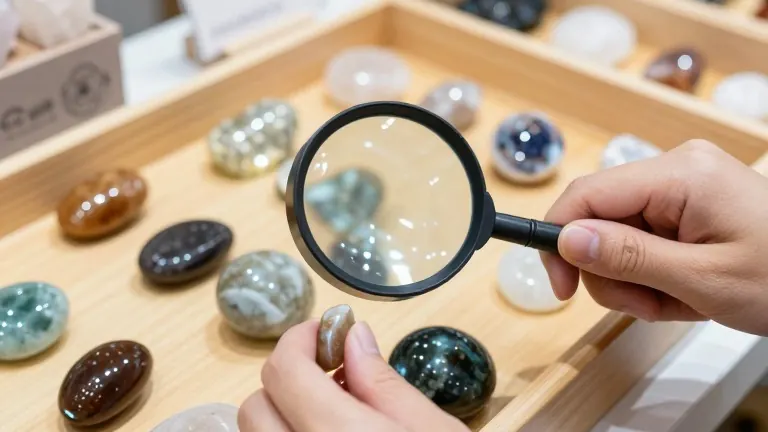
Jamie Inglett, owner of a crystal shop in Sedona, Ariz., showed customers a lab-grown stone she purchased for more than $100 from a local shop. The same item sells online for between $5 and $20. Inglett uses this price gap to illustrate how sellers may pass off manufactured products as natural finds.
The gemstone market has expanded rapidly, driven by social media engagement. The hashtag #crystals has accumulated 20 billion views on TikTok. Inglett, who has 215,106 Instagram followers, opened her physical storefront after establishing an online presence. She noted that buyers do not need to subscribe to the concept of crystal healing to appreciate the visual appeal of the stones.
Consumers are increasingly aware of the risk of purchasing counterfeits. Shannon Wimberly, a collector with several years of experience, stated she has bought fake crystals in the past. She now examines purchases more closely to verify their authenticity before completing a sale.
Inglett identifies three common categories of misleading products. The first involves lab-grown crystals sold as natural stones. The second includes completely synthetic items made from plastic or glass. She emphasized that lab-grown crystals are acceptable to her as long as the seller discloses the origin clearly.
To verify authenticity, Inglett advises buyers to ask specific questions about the stone's provenance. Sellers should be able to name the country of origin or the specific mine. If a vendor cannot provide this information, the buyer should proceed with caution.
Physical inspection offers another layer of verification. Glass imitations sound different when tapped, do not feel cold to the touch, and often display unnatural dye patterns. Specific stones like moldavite have natural grooves and textures that fakes lack. Inglett noted that fake moldavite appears too uniform in shape compared to genuine samples.
Inglett continues to operate her Sedona location while monitoring the influx of new inventory. She encourages shoppers to research items independently before purchasing. The local market remains active with gem shows and retail stores selling both natural and lab-created stones.
Source: KTVK