Tesla Robots Begin Real-World Production Run
New hardware and an internal training academy mark the shift from prototype to commercial product for the humanoid robot.
By Camila Rodriguez ·
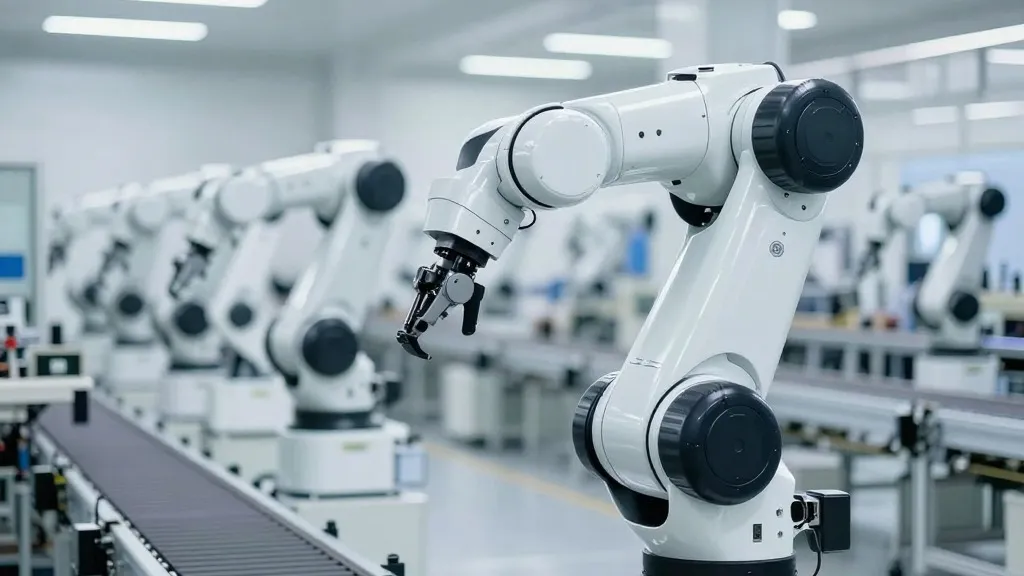
Tesla has officially begun manufacturing its Optimus robot on a high-volume production line in Fremont, California. The company states that the units rolling off this specific line are the first to meet the quality standards required for a commercial product. This marks a significant step beyond earlier prototypes, signaling that the manufacturing process is now proven for large-scale use.
The shift has required a major reorganization of the Fremont plant. The space now occupied by the robot line previously built the Model S and Model X. Tesla cleared out the old vehicle production equipment in just 46 days to make room for the new robotics infrastructure. The facility is being set up to handle a theoretical capacity of one million units per year, with most of the necessary equipment already installed on-site.
Output is expected to grow steadily as the line ramps up. CEO Elon Musk described the production increase as following a classic S-curve, noting that the initial growth will be gradual. He indicated that output aims to reach approximately 20,000 robots per week. This ramp-up period will involve significant refinement in the robot's artificial intelligence, electromechanical design, and overall reliability to ensure the units can handle long-term service life.
A unique challenge for Tesla is the lack of a large existing fleet to provide training data. Unlike its cars, which send real-world driving data back to engineers, the Optimus robots do not yet have a widespread user base. To solve this, the company is establishing an internal "Optimus Academy." In this facility, between 10,000 and 20,000 robots will practice a wide variety of tasks. The data generated from these practice sessions will be used to train the next generation of the model, effectively allowing the robots to teach themselves.
Tesla plans to begin delivering these robots to external companies by the end of next year. The target market includes businesses needing help with dangerous, repetitive, or around-the-clock jobs. Hardware upgrades are also on the way, with the AI5 chip scheduled for integration into the robots next year. A new video demonstrating the robot performing tasks via AI rather than pre-programmed motions is expected within the next one to two months.
The supply chain is preparing for this mass production phase. In September, Tesla certified three partners: Tuopu, Joyson, and Sanhua, as key suppliers for mass-production components. Additionally, a much larger dedicated factory is under construction at Giga Texas. Drone footage shows the steel frame of that facility nearing completion, with a long-term target of producing 10 million robots annually once fully operational.
Cost control is a central focus of the engineering effort. Executives noted that production costs for Optimus are trending toward the expected manufacturing cost of the Cybercab, indicating a design built for volume from the start. However, the robot's hands remain the most difficult component to finalize. Much of the current engineering focus is dedicated to solving the mechanical and software challenges associated with dexterity in the hand design, a point highlighted by Musk at a recent company event.
Tesla aims to distinguish its robots from rival demos that often rely on scripted routines. By leveraging the Optimus Academy and real-world data, the company intends to create a system that can adapt to unpredictable environments. The combination of immediate production in Fremont and the massive expansion in Texas positions Tesla to dominate the early market for industrial humanoid labor.
Source: Teslarati