Trump Demands AI Data Centers Pay Energy Dividends to Local Towns
The President has issued a directive requiring hyperscalers to sell or give excess power to neighbors, aiming to offset rising electricity bills and quell local opposition.
By Natalia Campos ·
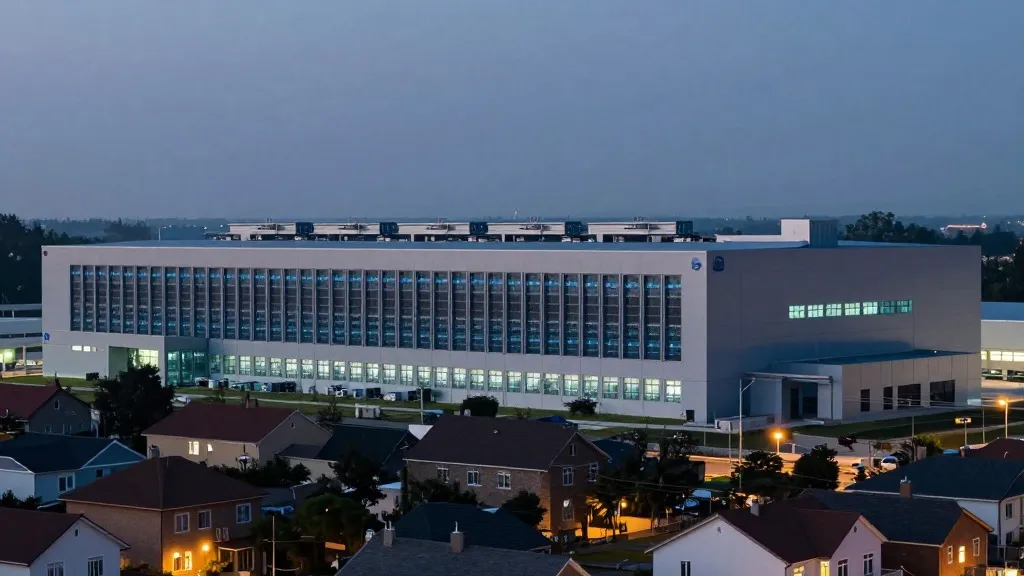
In a move designed to soften the blow of rising utility bills, President Donald Trump has called for a mandatory financial contribution from artificial intelligence data centers to the communities surrounding them. The directive, outlined in a recent post on Truth Social, requires data center builders and major AI companies to provide a "dividend" to local residents. This payment is intended to counteract price hikes caused by the massive energy demands of these facilities, or in some cases, to actively drive local electricity costs down.
The core of the proposal involves a two-part energy strategy. First, data centers must generate their own electricity, a requirement the administration has previously emphasized. Second, any excess power produced must either be given away or sold back to the local community. This approach is a direct response to growing friction between tech developers and small towns, where residents have increasingly protested the outsized impact of these facilities. Common complaints include soaring electricity rates, persistent noise pollution, water shortages, air quality issues, and deforestation.
By linking the presence of these industrial complexes to tangible financial benefits, the administration hopes to make data centers more palatable to the public. The strategy aligns with the broader goal of staying ahead of China in the global AI race while simultaneously winning back local favor. The specific mechanism for this dividend is likely to be tied to electricity costs, which is a primary pain point for households near these sites. This follows a recently passed act that already orders data centers to cover the costs of grid upgrades, preventing those expenses from being shifted to local taxpayers.
Trump argued that financial incentives can transform public sentiment. In his post, he noted that data centers which were previously highly unpopular in certain areas became extremely popular once a financial deal was struck. "MAKE DEALS, and get them built!!!," he urged, signaling a desire to accelerate construction through these economic agreements.
However, the practical implementation of this mandate remains unclear. Critics and observers point out that the term "dividend" is economically unusual for new construction projects. Companies typically pay dividends only after they have achieved profitability, which new data centers are unlikely to reach immediately due to high initial construction costs. Furthermore, the immediate power generation methods often employed by these centers, such as gas-powered generators, are frequently noisy and less efficient than conventional power sources. This raises questions about whether the local benefit will outweigh the environmental and auditory impact in the short term.
There are also logistical concerns regarding the scope of the benefit. While the directive aims to help local communities, it is not yet clear if the payments will be substantial enough to offset other significant issues, such as enormous water consumption or ecological damage. These factors continue to make AI data centers a difficult sell for many residents, regardless of the financial compensation.
The next steps will involve determining exactly how these dividends are calculated and distributed. The administration is keen to see these deals finalized to ensure the rapid expansion of AI infrastructure. For now, the focus is on whether this financial gesture will be enough to secure community buy-in or if it will simply add another layer of complexity to an already contentious relationship between tech giants and the towns they occupy.
Source: Tom's Hardware