Chef Esther Choi's New Recipe Merges Tomato Passata with Kimchi for a Hearty Seafood Pot
The dish from her cookbook 'Hand Taste' combines Italian and Korean techniques to create a sauce that has become a favorite among family members.
By Noor Morgan ·
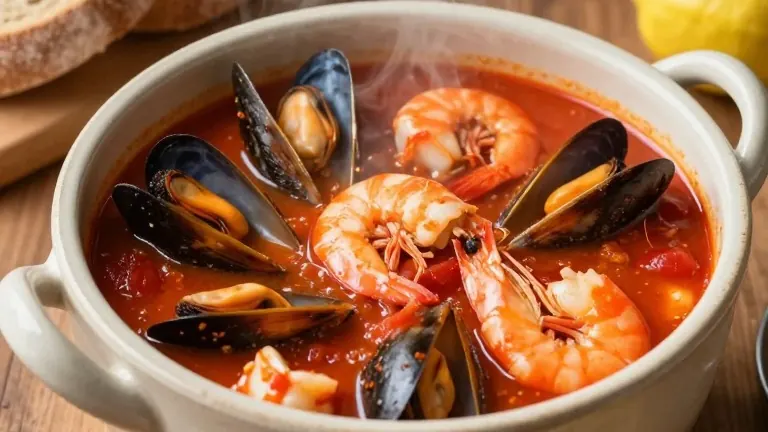
Chef Esther Choi has developed a recipe that blends Korean fermentation techniques with Italian tomato-based cooking methods. The dish, named Kimchi Seafood Pot, serves as a central element in her culinary repertoire described in her new book, 'Hand Taste: Cook Like a Korean Grandmother.'
Choi describes the preparation as a hybrid of a Korean cioppino and a standard seafood pot. The sauce consists of tomato passata, which is essentially a smooth tomato puree, mixed with kimchi and fish sauce. She notes that this specific combination creates a flavor profile that stands out in her collection of recipes, which also include Kimchi Bolognese and Kimchi Mac and Beef.
The recipe relies on specific ingredients to achieve the desired texture and taste. The sauce base includes one-half cup of finely diced carrot, one-half cup of finely diced shallots, one-half cup of finely diced celery, and one and one-half tablespoons of minced garlic. These aromatics are cooked with one teaspoon of kosher salt, one-half cup of chopped kimchi, and one tablespoon of gochujang. The liquid components include one-half cup of white wine, three cups of tomato passata, one tablespoon of fish sauce, and one-half teaspoon of red pepper flakes.
The seafood component requires two pounds of mussels and one pound of cockles or clams. The recipe also calls for eight ounces of jumbo or large shrimp and eight ounces of bay or sea scallops. Choi advises using the highest quality seafood available. If scallops are too expensive, she suggests substituting calamari or white fish fillets, adding them at the end of the cooking process to prevent overcooking.
The cooking process begins by preparing the shellfish. Mussels must be scrubbed and stored under a damp towel in the refrigerator. Cockles are soaked in cold water with a pinch of flour and salt for ten to fifteen minutes to remove sand. Shrimp are deveined but left in their shells, while large scallops are halved to ensure even cooking.
In a large Dutch oven, one tablespoon of vegetable oil is heated over medium-high heat. The carrot, shallots, and celery are sautéed until the shallots soften, a process that takes two to three minutes. Garlic, the white parts of two scallions, and one-quarter cup of chopped fresh flat-leaf parsley are added and cooked until fragrant. The kimchi is stirred in and cooked for two minutes until it softens. The gochujang is mixed in, followed by the white wine, which is reduced by half.
The tomato passata, fish sauce, and red pepper flakes are added to the pot. The mussels and cockles are stirred into the sauce, covered, and simmered for approximately five minutes until they open. Any shellfish that do not open are discarded. The shrimp and scallops are added next, and the mixture is cooked uncovered while stirring often for two to three minutes until the seafood is fully cooked through.
The dish is finished with the zest of one lemon and the juice of one-half lemon. It is garnished with the green parts of the scallions and additional parsley. Choi recommends serving the pot immediately, accompanied by torn pieces of crusty bread for dipping. She has also served it with pasta or rice. The recipe is best consumed as soon as it is prepared.
Choi is the owner of Mokbar, which has locations in New York City and Las Vegas, and Ms. Yoo, a Korean-style gastropub in Manhattan. She co-hosts the Food Network show '24 in 24' and hosts 'Heat Eaters.' She was a finalist on 'Iron Chef: Quest for an Iron Legend.' She lives in New York City with her husband and son.
Source: Sentinel Colorado