Denver's 4% inflation hides a 90% spike in diesel costs
Official figures understate the price surge for trucking firms and daily shoppers, who face jumps far exceeding the annual average.
By Noor Morgan ·
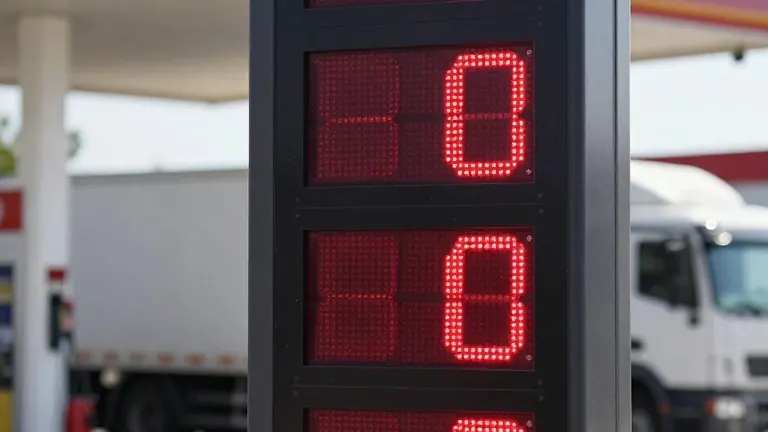
Diesel prices in Colorado have risen 90.3% since late February, reaching $6.61 per gallon. This surge is nearly double the cost of the fuel used by 110 trucks at JFW Corp, a family business in Commerce City. The company reports that gasoline now accounts for 34% of its total expenses, up from 23% last year. This shift has drained the firm's emergency cash reserves by an estimated $800,000 to $1 million.
Dave White, the general manager of JFW Corp, explained that fuel surcharges only update every 30 days. Between updates, the company absorbs the extra cost of fuel. Jim White, the CEO of the third-generation firm, stated that the business has depleted its emergency funds. He added that the company may need to pass healthcare costs onto employees to maintain coverage for its 165 workers. He also noted that wages will likely remain flat next year due to these expenses.
The official inflation rate for the Denver area was 4% in September. This figure comes from the Consumer Price Index, which tracks a fixed basket of goods. It includes items like used cars, new furniture, and museum tickets. Robert Elliott, a resident of Loveland, does not buy these specific items. He noted that his favorite snack, wasabi and soy almonds, cost $10.49, a 40% increase from $7.49 a year ago. He said his grocery bill feels like it has risen by a similar margin, causing him stress even though he can still afford the food.
Elliott reduced his spending by skipping movies and driving less. He observed that many price increases on his shelf are not the official 4%, but rather specific jumps of $1, $2, or $3. These smaller increases often translate to 40% or 50% hikes for individual items. Gasoline prices in the Denver area were 29% higher than the previous year. However, gas makes up only 1.6% of the local CPI basket. Housing costs represent a much larger share, at 43.5% of the basket.
Justin Copple, an economist at the Bureau of Labor Statistics, explained that some data is missing because companies do not provide enough responses. He cited confidentiality agreements with local utility companies as a reason why electricity prices are not always available in the data. Bill Craighead, program director of the UCCS Economic Forum, prefers the Personal Consumption Expenditures measure. He said this metric weighs healthcare and financial services more heavily than the CPI. The most recent state PCE data ranks Colorado as the 13th most expensive state.
Almond prices have hit their highest levels in a decade due to lower production in California. The CPI category for other food at home rose 3.1% over the year. Tuition at the University of Colorado in Boulder increased by 3% this year. An analysis by Chalkbeat Colorado found that tuition and fees at public Colorado schools are up 125% since 2009. Meat prices showed a 0.3% drop in the most recent monthly data, but beef prices rose significantly in 2025. They reached nearly $7 a pound in August, up from just over $5.50 two years ago.
Maggie Bolden, a Denver resident, tracks the price of generic sparkling water as a personal gauge. She noted the price has climbed from $1.99 to $4.99 over time. Nonalcoholic beverage prices have increased 15.7% since January 2020. Alcoholic beverage prices have risen 23.9% over the same period. Bolden works a retail job to help her son's family, whose construction wages have not kept pace with food and fuel costs. She said she helps pay for their groceries if she does not.
The next state-level Personal Consumption Expenditures data release is scheduled for December 2026. This report will provide updated information on where Colorado ranks in cost of living. The Bureau of Labor Statistics continues to collect data for the Denver area every other month. The current CPI figures remain the primary official metric for the region, despite the disconnect with individual consumer experiences.
Source: The Colorado Sun
More Business · Unethical Practices · Report a business · Got a Story?