Gulf Expansion: London Dining Groups Seek Lower Tax Base
Fallow co-owner James Robson cites UK VAT at 20% and corporate taxes as drivers for opening a new branch in the Middle East.
By Noor Morgan ·
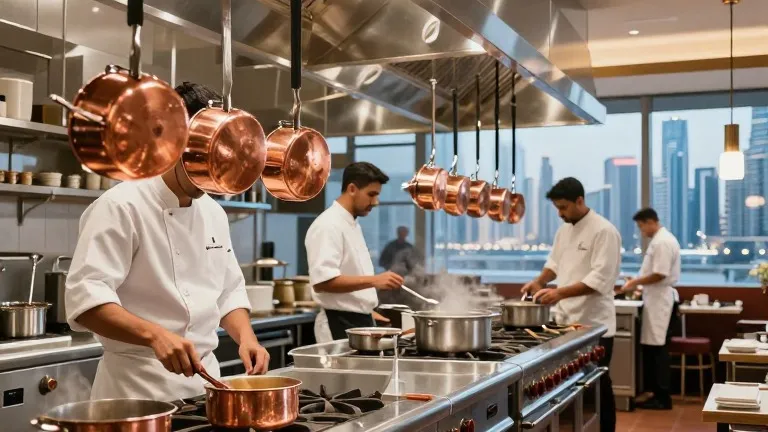
James Robson, co-owner of the London restaurant Fallow, has signed a deal to open a new outlet in the Gulf. Robson described the move as a response to a "tax tsunami" in the United Kingdom and a more favorable business environment abroad. The decision follows a trend of high-profile London dining groups establishing presences in the Middle East to mitigate domestic cost pressures.
The financial disparity between the UK and its peers is a central factor in these decisions. The United Kingdom applies a 20% value added tax to hospitality services. This rate stands in sharp contrast to the European average for restaurants, which sits at approximately 12%. Italy charges a 10% rate on food sold in dining establishments. Robson and other industry leaders argue that the UK tax burden has become a structural disadvantage for growth.
Robson, speaking from Hong Kong where he is exploring Asian markets, identified the United States, East Asia, and the Gulf as primary targets for expansion. He noted that America supports business growth, the Gulf actively assists companies, and East Asia offers a work ethic and tax system that he believes outperforms the UK. He stated that the country has "sleepwalked into multiple anti-growth taxations" over the last two budgets and expects further increases in the upcoming fiscal measures.
The tax complaints extend beyond VAT. Robson pointed to a 25% corporation tax rate and a dividend tax of 40% or more. He and other chefs are urging Chancellor Andy Burnham to reduce the hospitality VAT rate in next week's budget. The goal is to align the UK rate more closely with European standards to improve the risk and reward balance for domestic investment.
Fallow, located in St James's Market, is one of the most prominent restaurants in London. The venue serves 1,000 people daily and gained fame through social media, where it has 650,000 followers. Its menu features distinctive dishes such as a whole cod's head covered in spicy butter sauce. Robson said he does not resent paying UK tax and takes pride in contributing to the national deficit, but he is prioritizing overseas expansion to play it safe financially.
Other major London brands have already entered the Gulf market. Scott's of Mayfair opened a branch in Dubai, as did the two Michelin-starred Indian restaurant Gymkhana and the Chinese venue Park Chinois. The Bakery Ahead, associated with Borough Market, has also expanded to the region. Additionally, Isabel's, a Mayfair restaurant popular with politicians, has opened in Abu Dhabi.
Jason Atherton, a Michelin-starred chef, now spends a third of his time at his Dubai restaurant. He stated that it is easier to generate profit in Dubai than in London. The expansion into the Gulf is occurring despite recent geopolitical instability. Earlier this year, the US-Israeli war in Iran led to bombardment in Dubai and an exodus of expatriates.
Some establishments are still feeling the effects of the conflict. Dinner by Heston has been temporarily closed since the war's fallout. The Michelin guide faced criticism earlier this month for listing 16 restaurants that were permanently or temporarily closed. The guide noted that some inspections took place at the start of the year, before the war began.
Human rights groups are urging caution on the expansion. Felix Jakens, director of campaigns for Amnesty International UK, said the United Arab Emirates has a poor record on workers' rights. He noted that migrant workers, who make up the majority of the UAE population, remain tied to employers through a sponsorship system. This structure can expose workers to abuse and denies them the right to form trade unions.
Jakens argued that the UAE's heavy spending on its UK image, including through its ownership of Manchester City, should not distract from labor practices. He called for UK businesses expanding into the Gulf to conduct proper human rights due diligence. This includes ensuring kitchen staff are paid fairly, treated with respect, and able to raise concerns without fear of losing their jobs or visas.
Source: The Guardian
More Business · World news · Unethical Practices · Report a business · Got a Story?