Colorado Construction Defects: The Six-Year Window and the Insurance Gap
New laws and shifting building techniques leave homeowners with strict deadlines and potential financial risks if they do not act quickly.
By Amanda Valdez ·
Homeowners in Colorado face a ticking clock when structural failures appear in their new builds. Under the Construction Defect Action Reform Act, known as CDARA, residents have six years from the completion date to file a claim. This period, called the statute of repose, acts as an absolute cutoff. If defects surface in the fifth or sixth year, the window extends by two additional years. Craig Nuss, a shareholder at Burg Simpson, noted that this deadline is among the shortest in the nation, matching the limit in Arizona.
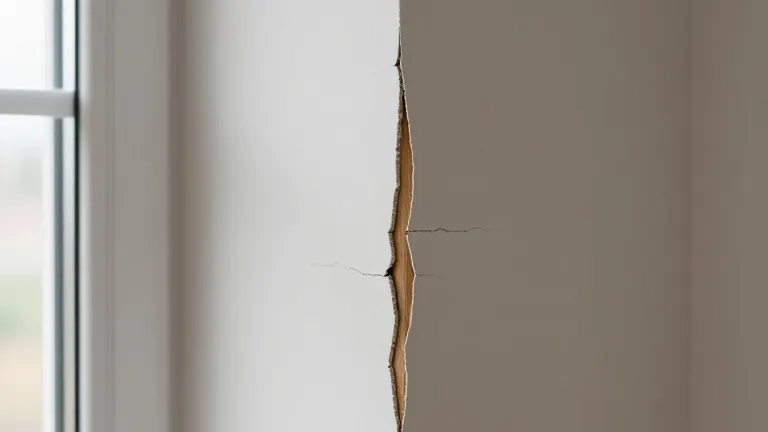
Within that six-year window, a second deadline governs specific issues. The statute of limitations gives homeowners two years from the moment they discover, or reasonably should have discovered, a defect to sue. For a homeowner, this clock starts when visible evidence, such as wall cracks or leaking pipes, becomes apparent. Sending a written notice to the builder can pause this two-year timer, but verbal assurances that a problem will be monitored do not stop the legal countdown.
The financial stakes are high because the law caps damages. Homeowners can generally recover the lesser of the repair cost or the home's value if it were defect-free. Single-family residents may also claim engineering costs and emotional distress. Nuss explained that juries and arbitrators often award these additional damages because a home is frequently a family's largest purchase. The uncertainty of resale value and the physical discomfort of a settling house drive these awards.
Building practices have shifted in recent years, creating new risks for foundation stability. Builders have moved away from traditional pier foundations toward a method called over-excavation. This process involves digging out 20 to 30 feet of soil, reconditioning the expansive earth, and replacing it before building on footers. While cheaper, the method can lead to severe settling if the soil is not compacted correctly. This shift has contributed to a rise in claims involving cracked walls and doors that stick shut.
Water damage remains a prevalent issue, often hidden behind siding or stucco. Leaks frequently originate around windows, roofs, and deck attachments. In severe cases, engineers have found that wood framing has rotted to the point where a hand can pass through the material. Nuss cited a recent case in Jefferson County where a settling home caused large cracks and made pantry doors nearly impossible to open. The family lived with the deteriorating conditions until legal action was taken.
Builder warranties often complicate the process. Many contracts include language suggesting that homeowners waive all other claims by signing. The Colorado Homeowner Protection Act prohibits builders from using such language to limit legal rights beyond standard one- or two-year warranties, yet Nuss said he still sees these clauses in current contracts. Non-specialist attorneys sometimes advise clients that their claims are waived, leading homeowners to seek second opinions from defect specialists.
A new law, the Colorado American Dream Act, took effect in 2026. It creates a program where participating builders provide written warranties and undergo third-party inspections. The act also introduces a fee-shifting mechanism. If a homeowner rejects a reasonable offer, the builder can recover attorney fees. Conversely, if a builder fails to make a reasonable offer, the homeowner can recover fees. It is too early to determine how many builders will join the program.
Builders are not required to carry liability insurance, only workers' compensation. This lack of coverage can leave homeowners with insufficient funds for repairs if the builder goes bankrupt or lacks assets. In one Denver case, a group of young homeowners spent six years in litigation after their developer had no insurance. They sued the general contractor and subcontractors first, settling that claim before pursuing the developer for the remaining costs.
Source: The Denver Post