Trump's $5,000 dividend: A political gift or fiscal gamble?
With Democrats now controlling Congress, the path for Trump's promised payout has become a complex legislative test.
By Amanda Valdez ·
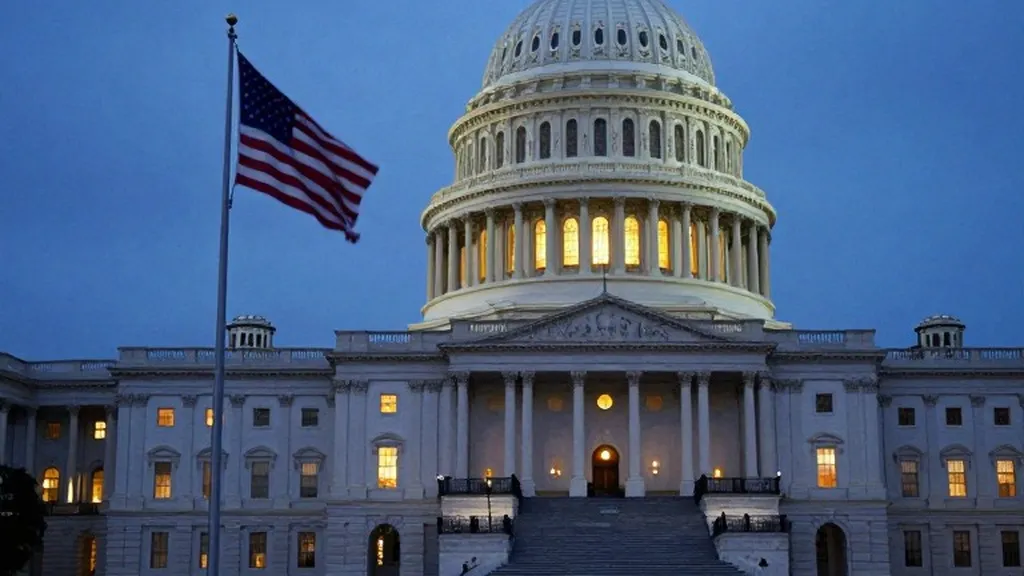
President Donald Trump promised a $5,000 payment to every adult citizen in the United States if the Republican Party retained control of the House of Representatives and the Senate in the November elections. The pledge, dubbed the Trump Dividend, was made at the Republican Midterm Convention in Dallas last week, where the president told the crowd that if the Republicans win, you win with us and you get $5,000. He framed the payment as a reward for the nation's tremendous economic success, comparing it to companies distributing cash to shareholders. However, the political landscape has shifted dramatically since that speech, as voters on Tuesday delivered a sweeping victory to the Democrats, who now hold a majority in both chambers of Congress.
The promise has drawn sharp scrutiny from fiscal experts and political analysts who question how the payment would be funded. Trump cited tariff revenues as a potential source of funds, but the Tax Foundation estimated that the new tariffs are projected to bring in only a fraction of the cost over the next decade. Erica York, a senior economist at the Tax Foundation, noted that the cost of the checks would spend almost all the revenue that the new tariffs are projected to bring in over a decade. The U.S. Census Bureau estimates there are about 245 million U.S. citizen adults, meaning the total cost would be approximately $1.2 trillion. This figure adds significant pressure to a federal budget already running a nearly $1.8 trillion annual deficit.
House Speaker Mike Johnson, who led the Republican Party during the campaign, addressed the legal and procedural hurdles on Sunday. He stated that the proposal needs congressional approval, saying, I would assume, yes, he'd need Congress to act, and that's a creative idea. Johnson pledged to work with the president to implement the plan, noting that he commits that Congress will work through it and find consensus on that like they have to do everything else. This assertion of congressional power stands in contrast to Trump's earlier comments to CBS News Texas, where he suggested the president did not think Congress would need to authorize the payments, though he did not specify how he could spend more than $1 trillion without lawmakers' authorization.
Bipartisan criticism emerged quickly after the Dallas announcement. Some Republicans questioned the price tag and the concept of dependency. Texas Congressman Chip Roy wrote on the social media platform X that dependency is evil and soul-sucking in all its forms. Democrats, who now control the legislative agenda, are likely to scrutinize the proposal closely. The potential payout raised questions from observers about whether the president was attempting to buy votes. Election law expert Rick Hasen, a professor at UCLA, noted that while the promise is likely legal under the First Amendment, the president does not have the power to execute it without congressional cooperation. He compared the move to other campaign promises regarding taxes or social programs, stating that politicians make these kinds of things all the time.
PolitiFact analyzed the proposal and found that the biggest payment is far from certain. The fact-checking organization highlighted that the White House has announced no formal plan for such checks. The timing is unclear, and the source of the money remains a subject of debate among economists. PolitiFact noted that while the administration pointed to tariff revenue, lawmakers did not include a separate tariff dividend in the One Big Beautiful Bill Act tax and spending bill that became law in 2025. The organization concluded that the proposal faces enormous obstacles, particularly given the existing economic challenges and the high interest rates currently affecting the country.
The political context of the promise is now complicated by the election results. Democrats won control of the U.S. House and the U.S. Senate, delivering a decisive rebuke to Republican governance in Washington. This shift means that the Democrats, who campaigned on checking the administration's spending and addressing the cost of living, will now have the primary power to approve or deny the funding for the dividend. Speaker Johnson, who is now a minority leader, said he would try to implement everything he could, but the small Republican margin in the previous Congress was already a challenge, and a Democratic majority presents an even steeper hurdle for passing major spending bills.
The economy was a central issue in the 2026 midterm elections, with three-quarters of voters saying the economy is not so good or poor according to an AP Voter Poll. About eight in ten voters said inflation has caused a severe or moderate financial hardship for their households. In his victory interview, Trump declared that inflation is solved, even though consumer prices rose 3.6% in September from a year earlier. The dividend check was intended to buffer voter sentiment against these rising costs, but with the Democrats now in charge of Congress, the path to delivering those checks involves a negotiation between the White House and a legislature that has expressed strong concerns about the deficit and debt.
Democratic leaders have emphasized the need for oversight of the administration's spending. The new Senate majority allows Democrats to put up a stronger defense against Trump's second-term agenda. The potential $1.2 trillion cost of the dividend would impact the national debt and could exacerbate concerns of inflation. Kenneth Rogoff, a former chief economist at the International Monetary Fund, warned that the U.S. is already running an unsustainable deficit, and such a payment would increase the odds of a debt crisis in the coming years. The new congressional leadership will likely demand detailed plans for how the funds will be raised and distributed before moving the proposal forward.