Democrats seize full control of Congress, statehouses in historic midterm sweep
Voters rejected the president's party in a wave that shifted power in the House, Senate, and at least five state governments, with Democrats citing economic relief and oversight as their top priorities.
By Noor Morgan ·
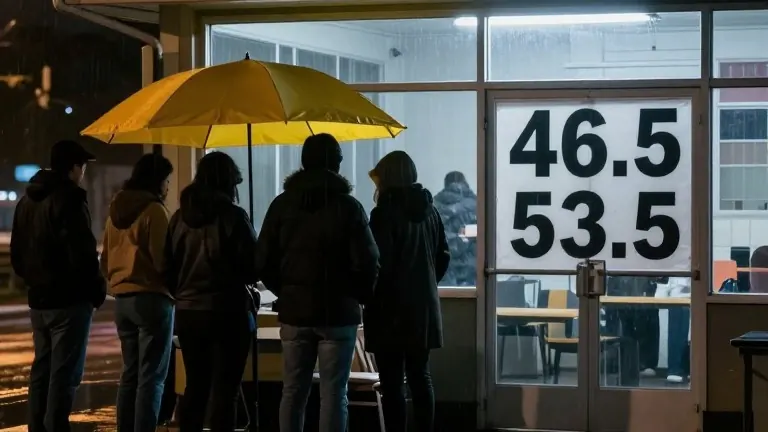
Democratic leaders declared a comprehensive victory on Tuesday as the party secured control of both chambers of the United States Congress and expanded its dominance in state governments nationwide. The Associated Press reported that Democrats won a decisive majority in the House of Representatives, gaining control after a race that saw them take 233 seats while Republicans held 138, with 64 races still uncalled as of late Tuesday evening. In the Senate, the party gained seven seats, flipping key districts in historically Republican states to secure a 20-13 lead among the 35 contested races, according to Ballotpedia data. This shift ends two years of unified Republican control in Washington, creating a divided government that promises increased friction and oversight of the executive branch in the final two years of President Donald Trump's current term.
House Democratic Leader Hakeem Jeffries, who is expected to become the first Black speaker of the House when the new Congress convenes on January 3, 2027, framed the results as a direct response to voter frustration with the administration. He told supporters that the party heard the electorate's call for dramatic change and would work to deliver on promises regarding the cost of living. The campaign was heavily focused on economic pressures, with the AP Voter Poll indicating that three-quarters of voters viewed the economy as poor or not so good. About 8 in 10 respondents stated that inflation had caused significant financial hardship for their households, making basic essentials like gas and groceries harder to afford. This economic anxiety appears to have driven the turnout that overwhelmed the Republican money advantage in many battleground districts.
The state-level results mirrored the federal victory, with Democrats taking full control of state governments in at least five states where they previously shared power. In Texas, the party achieved a historic trifecta, taking the governor's office and both chambers of the state legislature for the first time since the early 2000s. Ballotpedia noted that five governorships changed party hands, moving from Republican to Democratic control in Georgia, Iowa, Ohio, and Texas, while Kansas remained uncalled. This expansion of state power allows Democratic governors to influence policies on tax rates, education funding, and healthcare access more directly. The party broke or prevented Republican supermajorities in nine legislative chambers across eight states, meaning that in states like Iowa, Ohio, and North Carolina, Republicans will need Democratic votes to override a Democratic governor's veto.
President Trump, who had urged voters to act as if he were on the ballot, shifted his focus to the construction of a new White House ballroom the day after the election. In a nearly 20-minute press conference, he discussed the building project without mentioning the sweeping Republican defeats, insisting that he would have won if he had been running. The AP reported that Trump told Fox News he did not consider the results a defeat for him personally, arguing that voters simply did not like the specific candidates on the ballot. However, the AP Voter Poll suggested that Trump was a drag on his party, with only 4 in 10 voters approving of his handling of the presidency. In losing key Senate races in Ohio, Iowa, Maine, and North Carolina, majorities of voters indicated that the Republican candidates were too supportive of the unpopular president, suggesting that his brand of leadership contributed to the party's losses.
Vice President JD Vance publicly broke from Trump's defense of the Iran war following the election results, attempting to distance himself from the conflict that many voters cited as a primary reason for their dissatisfaction. Reuters noted that the war with Iran had sent fuel prices soaring, a major source of frustration for the electorate. Trump, in turn, stated that the war had been worth it despite acknowledging its role in the midterm losses. The conflict became a central theme in the campaign, with Democrats arguing that the administration's focus on foreign military engagement distracted from domestic economic issues. The new Democratic majority in Congress is expected to scrutinize the administration's war powers and budget allocations, potentially leading to significant legislative battles in the coming months.
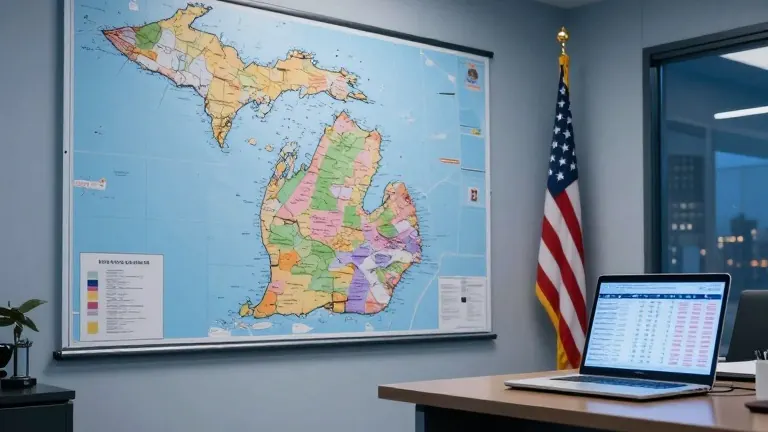
The redistricting efforts that Republicans pursued last year under Trump's guidance failed to deliver the expected gains. Former Attorney General Eric Holder, chair of the National Democratic Redistricting Committee, stated that the Republican redistricting plan was systematically dismantled by voters. In Texas, Republicans had reconfigured districts to try to unseat Democratic representatives, but those incumbents won reelection while Democrats flipped some of the newly drawn Republican seats. In Florida, Democratic Rep. Jared Moskowitz, who was a target of Republican redrawing, won his seat after spending millions of dollars on the race. The AP analysis indicated that the new districts, which were presumed to be safe for Republicans, were undercut by shifting public opinion and a substantial shift among Hispanic voters away from the Republican party.
Democrats are now positioning themselves to launch a robust oversight agenda, with House Oversight Committee members warning the administration to prepare for increased scrutiny. Rep. Robert Garcia of California issued a one-sentence warning to the White House: "Lawyer up." Sen. Ron Wyden, the top Democrat on the Senate Finance Committee, similarly signaled his intent with the word "Subpoenas." The party is promising a 100-day agenda that includes efforts to lower the costs of gas and groceries, as well as bills to reverse cuts to the Affordable Care Act and Medicaid programs. Impeachment of the president or his Cabinet members is also being discussed as an option, reflecting the depth of the mandate voters delivered on Tuesday.