Cost of living drives turnout as AP-NORC shows voters blame Trump for prices
New polling reveals that economic anxiety, particularly regarding tariffs and healthcare, is the defining theme of the 2026 midterms.
By Noor Morgan ·
Voters across the United States are heading to the polls on Tuesday, November 3, 2026, with the price of everyday goods serving as the primary lens through which they view the administration. The Associated Press describes this midterm election as a referendum on President Donald Trump's second term, noting that citizens are struggling with high prices and are angry over an unpopular war with Iran. This economic frustration is quantified in the latest AP-NORC polling, which indicates that only 35 percent of U.S. adults approve of Trump's job performance, while just 25 percent approve of his handling of the economy. Approximately seven in ten adults say the country is heading in the wrong direction, with most blaming the president for the rise in consumer costs.
The financial strain is palpable in states where the outcome of the election is closely watched. In Raleigh, North Carolina, James Moore, a 57-year-old librarian, described the personal impact of the current economic climate. Moore stated that he is paying more taxes, more for his healthcare, and more for everything else. His sentiments reflect a broader trend where the cost of living has overtained other issues, such as the Iran conflict, in terms of daily voter concern. This sentiment is particularly acute in North Carolina, where a new congressional map is in effect following mid-decade redistricting, adding another layer of complexity to the already competitive Senate race between Democratic former Governor Roy Cooper and Republican former RNC chair Michael Whatley.
Tariffs have become a central point of contention, contributing to the economic anxiety that defines the campaign. In Maine, a state that has become a key battleground for Senate control, the Associated Press notes that economic strain and tariffs have made the race between Republican Senator Susan Collins and Democratic former state Senate President Troy Jackson competitive. Maine is currently rated as a toss-up by all four major polling services. Similarly, in Michigan, the open Senate seat is a focus of intense campaigning, with the state's economy feeling the ripple effects of trade policies. The AP-NORC data suggests that while the war with Iran is unpopular, the tangible impact of higher prices at the grocery store and pharmacy counter is what is driving the current wave of voter anger.
The financial resources behind the campaigns highlight the structural challenges facing Democrats. The 2026 elections are likely to be the most expensive in history, with Republican committees outraising and outspending their Democratic counterparts. This advantage is largely driven by Trump-affiliated groups and support from Elon Musk. Analysis of AdImpact data by the Associated Press shows that 88.1 percent of Republican general election TV ad spending went to states and districts that Trump won in 2024. This includes more than $850 million spent in areas where he won by 10 points or more. Despite this national spending edge, Democrats have managed to outraise their opponents at the individual candidate level, a strategy that has helped them remain cautiously optimistic about their chances in the House and Senate.
The race for control of the House of Representatives is particularly tight, with all 435 seats up for grabs. Democrats need a net gain of three districts to secure a majority, while Republicans can lose no more than two seats. Ballotpedia has identified 46 battleground districts, with 25 currently held by Democrats and 21 by Republicans. The high rate of incumbent retirement, with 60 House members not running again, has opened up numerous competitive races. In the Senate, Democrats need a net gain of four seats to take control, a significant hurdle given that Republicans hold 53 seats. The 13 competitive Senate races include open seats in states like Iowa, Montana, New Hampshire, and North Carolina, as well as contests in states like Georgia and Maine where the margins of victory are narrow.
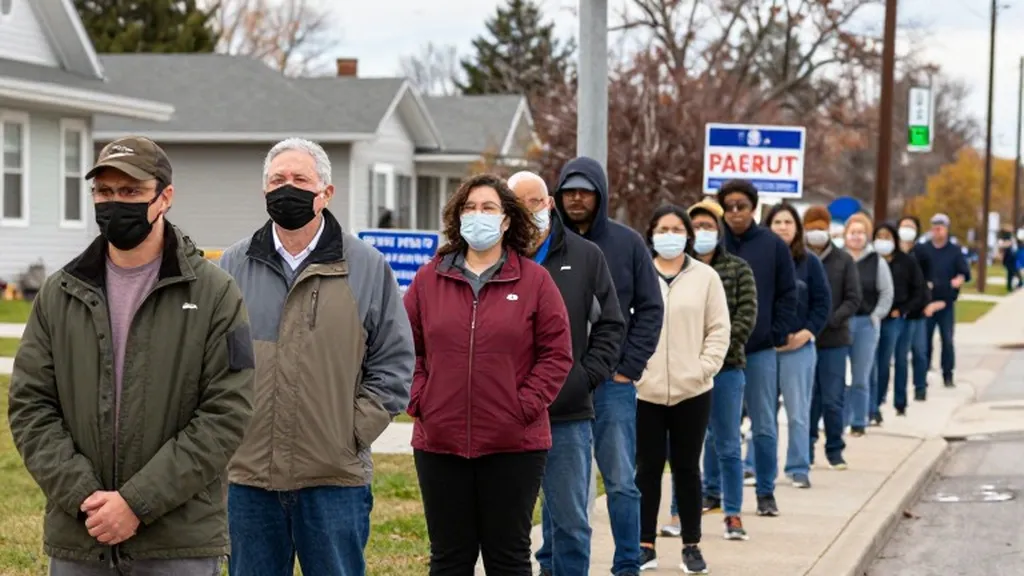
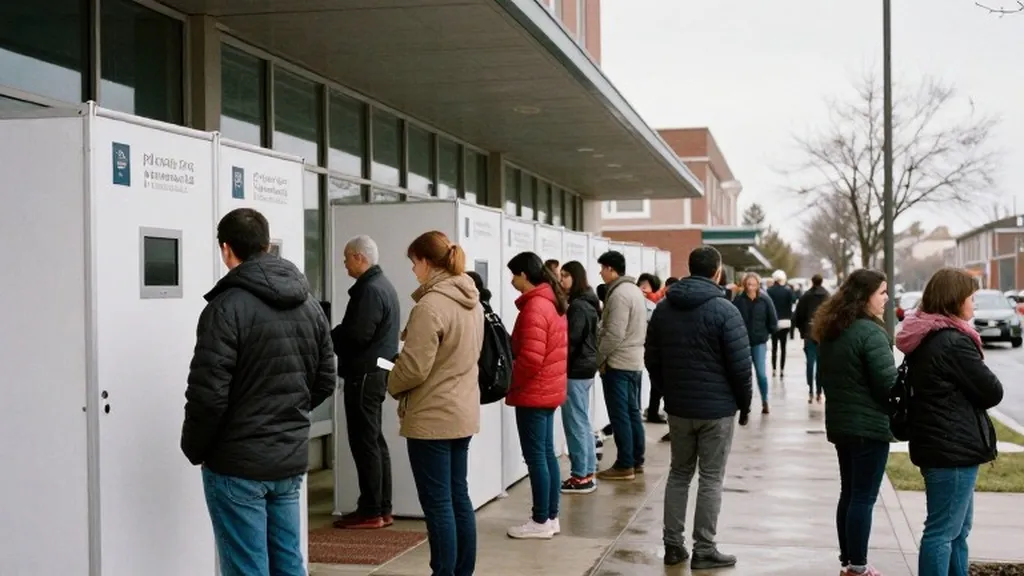
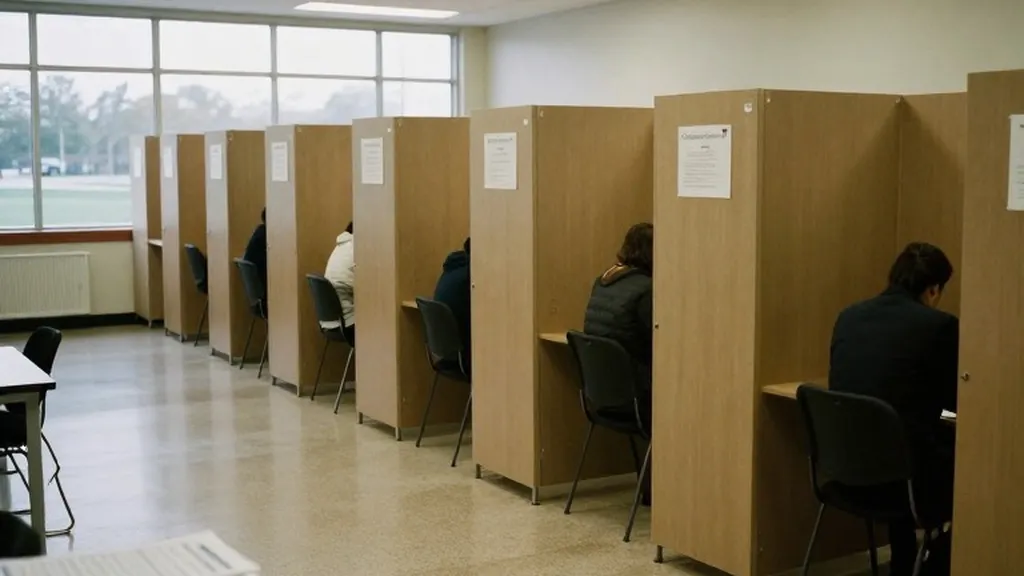
Voter turnout is expected to be high, with more than 57 million people having already cast ballots as of Monday. This number surpasses the early vote totals from four years ago in many closely watched states. In Palm Beach Gardens, Florida, Mark Barker, a voter, expressed a different perspective on the administration's performance. Barker said he has been following Trump the whole time and believes he is doing an awesome job. This divergence in opinion underscores the polarization of the electorate, even as the AP-NORC data points to a majority disapproval regarding economic management. The contrast between voters like Barker and those like Moore in Raleigh illustrates the deep divide that defines this election, with economic performance serving as the primary point of contention.
The stakes of this election extend beyond simple party control. If Democrats win even one chamber of Congress, investigations and possible impeachment proceedings are likely to become a central part of the legislative agenda. House Democratic Leader Hakeem Jeffries, who would be the first Black speaker if his party takes the majority, has outlined a 100-day agenda focused on the cost of living and oversight of the administration. A strong Democratic performance would also boost the profiles of potential 2028 presidential candidates such as Gavin Newsom, JB Pritzker, and Pete Buttigieg. Conversely, a Republican hold on power would allow the administration to continue its current trajectory without the check of a unified Democratic Congress, potentially complicating the path for Vice President JD Vance in future cycles.