Record spending defines 2026 midterm race as parties battle for control
Republican committees lead in total funds while Democrats maintain an edge at the candidate level, creating a complex financial landscape for voters.
By Marek Collins ·
The 2026 midterm elections are poised to become the most expensive in American history, according to data analyzed by the Associated Press. This surge in spending reflects the high stakes of the election, which will determine which party controls Congress during the final two years of President Donald Trump's second term. With all 435 House seats and 35 Senate seats up for grabs, campaigns have poured unprecedented resources into the race. The financial intensity of this cycle highlights the deep divisions in the electorate and the strategic importance of both chambers.
A significant disparity exists in how the two parties have deployed their funds. Republican committees have outraised and outspent their Democratic counterparts, a trend attributed in part to the influence of Trump-affiliated groups and Elon Musk. This aggregate advantage has allowed Republican committees to dominate the airwaves in key battleground states. However, this broad committee-level edge does not tell the whole story of the financial war. At the individual candidate level, Democrats have managed to outraise their opponents, indicating a different strategy for direct voter outreach.
The allocation of funds reveals specific strategic targets for both sides. An Associated Press analysis of AdImpact data shows that 88.1 percent of Republican general election television ad spending went to states and districts that Donald Trump won in 2024. This includes more than 850 million dollars spent in areas where the president won by ten points or more. This heavy investment suggests a strategy focused on consolidating support in reliably Republican areas to ensure maximum turnout. It also indicates an effort to protect incumbents in districts that may be vulnerable to shifts in national sentiment.
Democrats are facing distinct challenges despite their candidate-level fundraising success. They are navigating a political landscape where the president's party is fighting to avoid the traditional midterm loss pattern. Redistricting has played a role in these efforts, with six states using new congressional maps after mid-decade changes. These new districts in states like California, Florida, Missouri, North Carolina, Tennessee, and Texas may not vote as originally drawn, adding a layer of complexity to the financial strategies employed by both parties. The uncertainty of these new maps has likely influenced how candidates prioritize their spending.
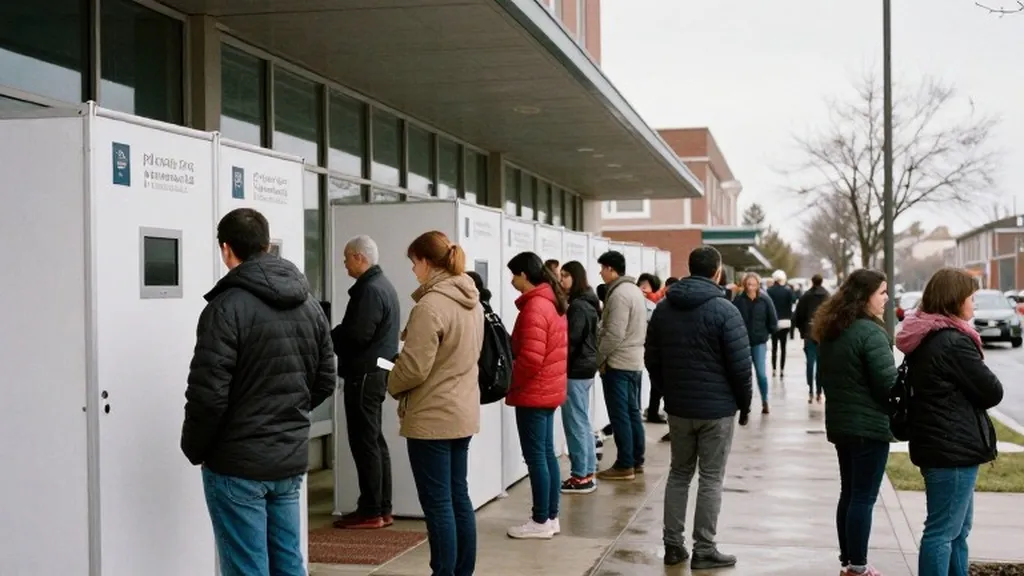
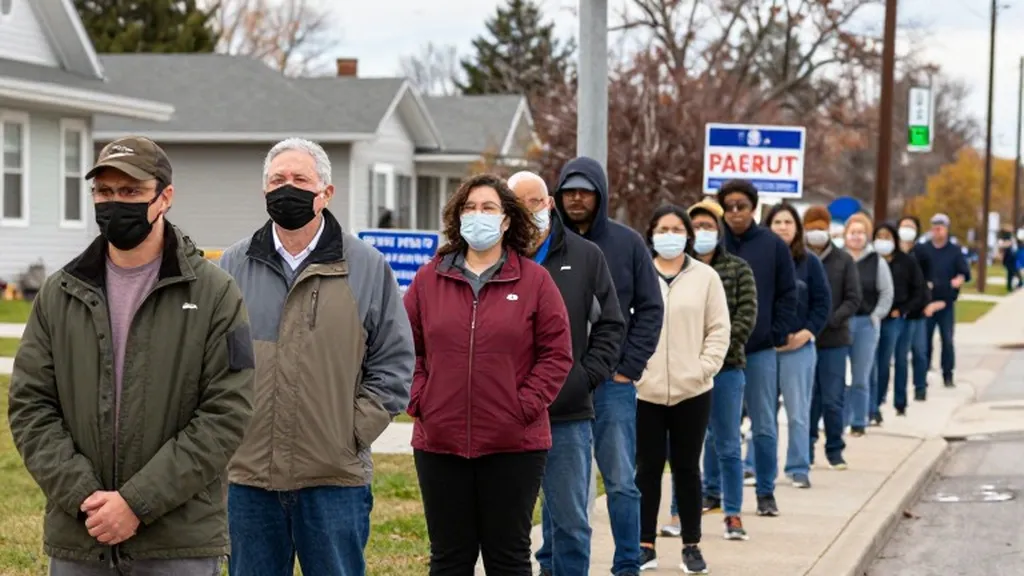
The mood among voters is shaped by economic concerns and an unpopular war with Iran. According to AP-NORC polling, 35 percent of U.S. adults approve of Trump's job performance, while only 25 percent approve of his handling of the economy. About seven in ten Americans say the country is heading in the wrong direction, and most blame the president for high prices. These sentiments are driving voter behavior, as more than 57 million people had already voted as of Monday, surpassing early vote totals from four years ago in many closely watched states. The high volume of early voting suggests that financial campaigns are successfully mobilizing supporters before election day.
The race for the Senate involves 13 battleground races, with several leaning toward Democratic control. Maine, Iowa, Kansas, Alaska, Michigan, and Georgia are among the states where the outcome could swing the majority. In Maine, economic strain and tariffs have made the state competitive, as noted by the Associated Press. The presence of high-profile candidates, such as former New Hampshire Governor John E. Sununu and former Michigan Representative Mike Rogers, adds to the financial intensity of these contests. The outcome of these races will determine whether Democrats can achieve the net gain of four seats required for a majority in the Senate.
In the House, Democrats need a net gain of three districts to secure a majority, while Republicans can afford to lose no more than two. Ballotpedia counts 46 battleground districts, with 25 held by Democrats and 21 by Republicans. The financial edge of Republican committees may help them defend their seats in these competitive areas. However, the Democratic candidate-level fundraising advantage suggests they are well-positioned to challenge incumbents. The interplay between committee spending and candidate spending will be a critical factor in determining the final tally of seats in the House.
Governor races in 36 states add another layer of complexity to the election. Republicans currently hold 26 governorships, while Democrats hold 24. Democrats need a net gain of two governorships to achieve a nationwide majority, a feat they have not accomplished since 2010. Competitive races are expected in states such as Georgia, Nevada, Ohio, Texas, Florida, and Iowa. The financial resources dedicated to these races will be crucial in swaying undecided voters who are focused on local issues like healthcare and the cost of living.
The Associated Press describes the election as a referendum on Trump's second term, with voters struggling with high prices and angry over the war with Iran. This sentiment is reflected in the quotes of voters like James Moore, a librarian in Raleigh, North Carolina, who cited increased taxes and healthcare costs as key concerns. On the other hand, Republican National Committee Chairman Joe Gruters emphasized the importance of turnout, stating that if the party turns out its voters, it will win. These differing perspectives highlight the strategic focus of each party as they deploy their significant financial resources.
As polls open across the country, the battle for control of Congress remains undecided. The unprecedented spending levels indicate a fierce competition for every seat. Voters in battleground states will have the final say, influenced by both the volume of advertising and their personal experiences with economic conditions. The results will shape the legislative agenda for the next two years, with potential implications for investigations, oversight, and the political landscape leading up to the 2028 presidential election.