Voters weigh Iran war costs in midterm referendum on Trump
With polls open, the unpopular conflict and high prices are driving Democratic hopes to reclaim Congress.
By Noor Morgan ·
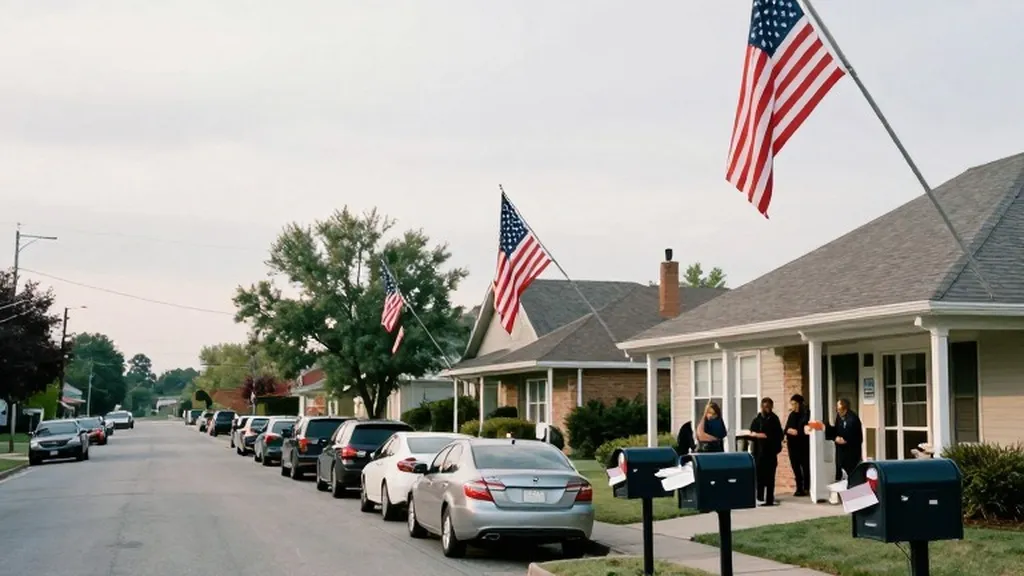
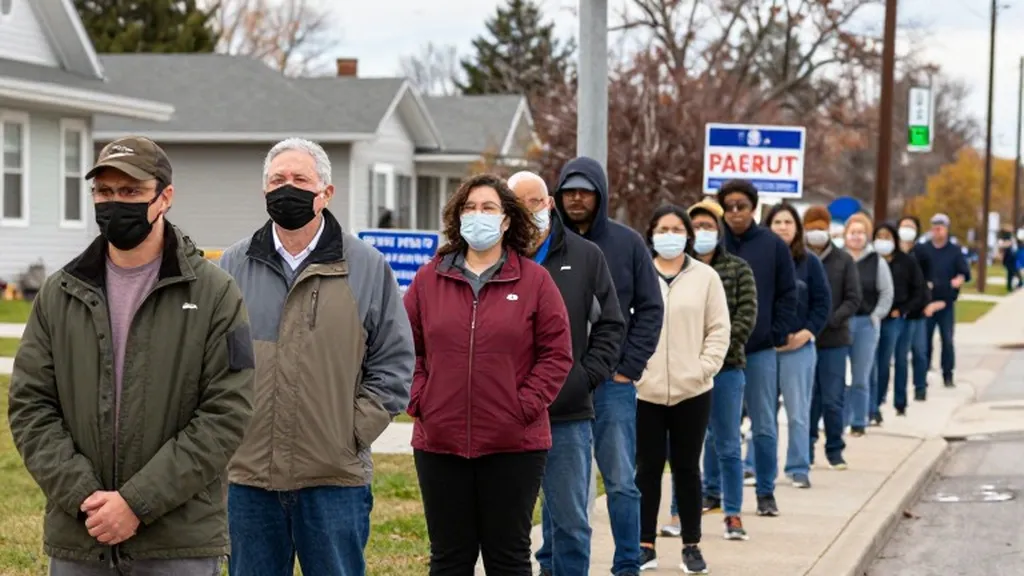
The war with Iran has emerged as a central factor in the 2026 midterm elections, shaping the mood of voters who are casting ballots on a day that defines the balance of power in Washington. The Associated Press describes the election as a referendum on President Donald Trump's second term, noting that many Americans are struggling with high prices and are angry over the unpopular conflict. This sentiment is creating a challenging environment for the Republican Party, which is bracing for potential losses in the House of Representatives while fighting to maintain its majority in the Senate.
According to AP-NORC polling, only 35 percent of U.S. adults approve of President Trump's job performance, while just 25 percent approve of his handling of the economy. About seven in ten respondents say the country is heading in the wrong direction, with most blaming the president for rising costs. The Iran war has added a layer of complexity to these economic concerns, as voters in battleground districts weigh the national security implications against the daily strain on their household budgets. This combination of economic anxiety and war weariness is fueling what the AP calls a cautious optimism among Democrats, who see an opportunity to capitalize on voter dissatisfaction.
The stakes for the Iran war are particularly high in the Senate, where thirteen races are considered competitive. In states like Maine and Michigan, economic strain and tariffs have made the races close, and the conflict with Iran has become a talking point for candidates on both sides. Senator Susan Collins of Maine, facing Democratic challenger Troy Jackson, is in a state that the AP says has become more competitive due to these pressures. Similarly, in Michigan, Democrat Abdul El-Sayed is challenging Republican former Representative Mike Rogers in a race where the war and the economy are likely to influence voter decisions. The outcome in these states could determine whether Democrats gain the four seats they need to take control of the chamber.
In the House of Representatives, all 435 seats are up for election, and Democrats need a net gain of three districts to secure a majority. Ballotpedia counts 46 battleground districts, with 21 currently held by Democrats and 21 by Republicans. The Iran war is expected to play a role in these races, particularly in districts where voters voted for President Trump in 2024 but are now focused on the cost of living. Democrats are hoping to use the war as a wedge issue to attract voters who are frustrated with the administration's foreign policy and its impact on domestic spending. The AP notes that one or two seats could tip the balance in either chamber, making the margin of victory in these competitive districts crucial.
The financial resources available to the campaigns also reflect the intensity of the election. The 2026 elections are likely to be the most expensive in history, with Republican committees outraising and outspending their Democratic counterparts. This advantage is largely driven by Trump-affiliated groups and support from Elon Musk. However, at the candidate level, Democrats have outraised their opponents, allowing them to focus on targeted messaging about the Iran war and the economy. The AP analysis of AdImpact data shows that 88.1 percent of Republican general election TV ad spending went to states and districts President Trump won in 2024, including areas where he won by 10 points or more. This strategy highlights the Republican focus on defending their base, even as they face challenges in swing states.
Voters on the ground are expressing their concerns about the war and its costs. James Moore, a 57-year-old librarian in Raleigh, North Carolina, told the AP that he is paying more for taxes, healthcare, and everything else. His comments reflect a broader sentiment among Democrats who view the Iran war as a drain on resources that could be better spent on domestic issues. In contrast, voter Mark Barker of Palm Beach Gardens, Florida, said he has been following President Trump closely and believes he is doing an awesome job. These differing perspectives illustrate the divided nature of the electorate and the importance of turnout in determining the outcome of the election.
The Republican National Committee is emphasizing the importance of turnout in its strategy. Chairman Joe Gruters stated that everything depends on getting voters to the polls, adding that if they turn out their voters, they will win. This focus on turnout is a response to the historical trend of the president's party losing seats in midterm elections. Republicans have also relied on redistricting to gain an advantage, with new congressional maps in states like Florida, California, and Texas. However, the AP notes that these new districts may not vote as drawn, and the Iran war could further complicate the Republican strategy by appealing to voters who are concerned about the conflict.
If Democrats win control of even one chamber of Congress, investigations and possible impeachment proceedings are likely to follow. House Democratic Leader Hakeem Jeffries, who would be the first Black speaker if his party takes the House, has outlined a 100-day agenda that focuses on the cost of living and oversight of the administration. This agenda is expected to include scrutiny of the Iran war and its financial and strategic implications. A strong Democratic night would also boost the prospects of potential 2028 candidates such as Gavin Newsom, JB Pritzker, and Pete Buttigieg, while potentially complicating the path for Vice President JD Vance. The outcome of the election will therefore have significant implications for the future of the Iran war and the broader direction of U.S. foreign policy.