Trump rallies, false fraud claims, and the cost of living define 2026 midterms
With polls open, voters weigh a president's low approval ratings and economic strain against a Republican financial edge and new district maps.
By Amanda Valdez ·
President Donald Trump is not on the ballot for any office on Tuesday, but his presence is the central force shaping the 2026 midterm elections. According to the Associated Press, the election is being treated as a referendum on the president’s second term, with voters expressing frustration over high prices and an unpopular war with Iran. The results will determine which party controls Congress for the final two years of the current administration, a decision that could trigger investigations and possible impeachment proceedings if Democrats gain power in either chamber.
Recent polling data from the AP and NORC paints a challenging picture for the president’s political brand. Only 35 percent of U.S. adults approve of Trump’s job performance, while just 25 percent approve of his handling of the economy. Approximately seven in ten adults say the country is heading in the wrong direction, and most blame the president for the rise in consumer prices. These numbers reflect a mood of caution among Democrats, who are described as cautiously optimistic, while Republicans brace for the possibility of losing the House and fight to hold the Senate.
Despite his low approval ratings, Trump has been highly visible in the campaign cycle, holding dozens of rallies across the country. His schedule included stops in Mississippi, South Carolina, and Texas, ending Sunday in Salina, Kansas, where he told the crowd to pretend he was on the ballot. However, many Republican candidates have kept their distance from the president during the general election phase, a strategy that reflects the complex dynamic of a midterm cycle where the sitting president’s popularity can be a double-edged sword for his party’s nominees.
The financial dynamics of the 2026 election are also significant, as these races are likely to be the most expensive in history. According to AP analysis of AdImpact data, Republican committees outraised and outspent their Democratic counterparts, aided by Trump-affiliated groups and Elon Musk. A striking 88.1 percent of Republican general election TV ad spending went to states and districts that Trump won in 2024, including over $850 million in areas where he won by 10 points or more. At the candidate level, however, Democrats managed to outraise their opponents, suggesting a different level of grassroots engagement on the ground.
Voters are also grappling with the issue of election administration and integrity. Trump has continued to make false claims about voting fraud, including the assertion that noncitizens vote in large numbers. His administration has filed lawsuits in Alaska and California, and the Justice Department has threatened to prosecute local election officials, leading to fears of interference and intimidation among Democrats. A federal judge temporarily barred the administration from a plan to prevent noncitizen voting, while another judge ordered the administration to stop demanding that California officials segregate ballots cast by people on lists of suspected noncitizens.
The redistricting process has also played a role in shaping the competitive landscape. Six states, including California, Florida, Missouri, North Carolina, Tennessee, and Texas, are using new congressional maps following mid-decade redistricting, with Ohio also adopting a new map. Republicans attempted to use these new districts to beat the historical midterm pattern of the president’s party losing seats. However, the AP notes that new districts in Florida and other states may not vote as they were drawn, adding uncertainty to the final tally. Ballotpedia identifies 46 battleground districts in the House, with Democrats needing a net gain of three districts to secure a majority.
In the Senate, 35 seats are up for election, including 33 regular races and two special elections. Democrats currently hold 45 seats, plus two independents who caucus with them, and need a net gain of four seats to take control. Republicans hold 53 seats and can lose only two to remain in the majority. Key battlegrounds include Maine, which is rated a toss-up by all four major polling organizations, and Iowa, which is rated a toss-up or leaning Republican. The AP highlights that economic strain and tariffs have made states like Maine competitive, where Senator Susan Collins is facing a challenge from Democratic former state Senate President Troy Jackson.
The governor races add another layer of complexity, with 36 governorships on the ballot. Republicans currently hold 26 governorships and Democrats 24, but Democrats would need a net gain of two offices to achieve a nationwide majority for the first time in two decades. The AP identifies Georgia, Nevada, and Ohio as key competitive races, with Democrats defending five governorships in states that Trump won in 2024. The outcome of these races will also have implications for potential 2028 presidential candidates, as a strong Democratic night could boost the profiles of figures like Gavin Newsom, JB Pritzker, and Pete Buttigieg.
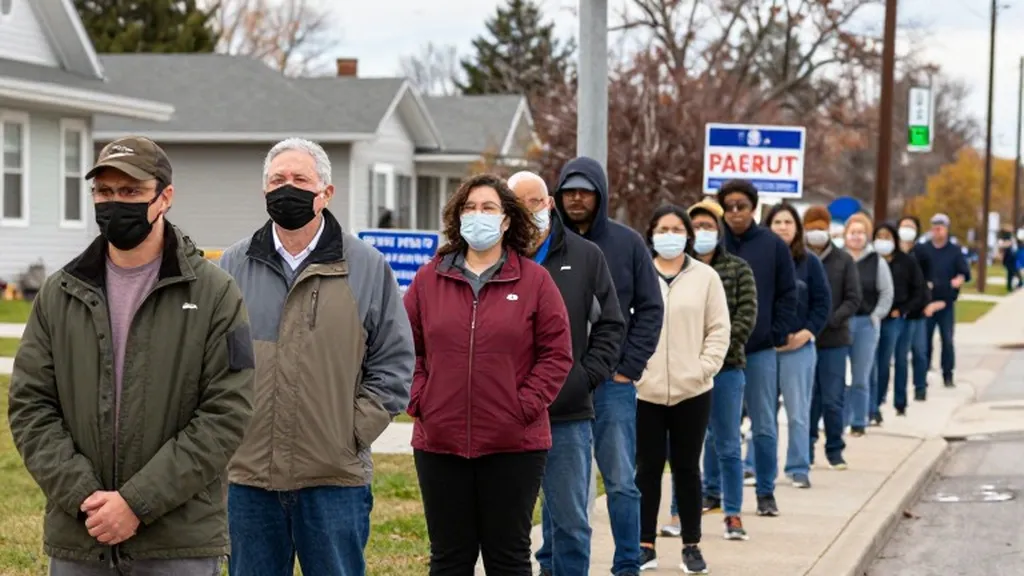
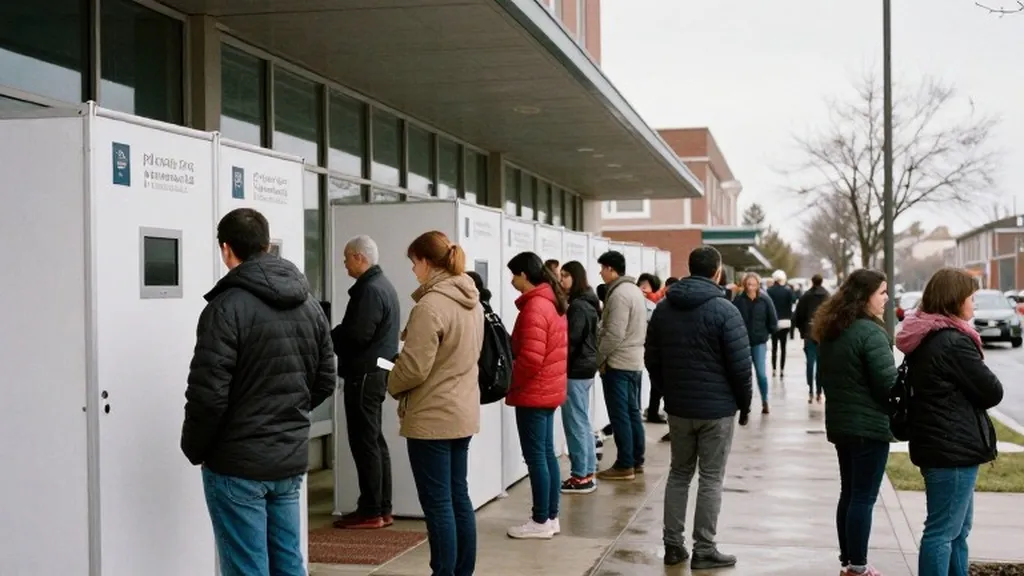
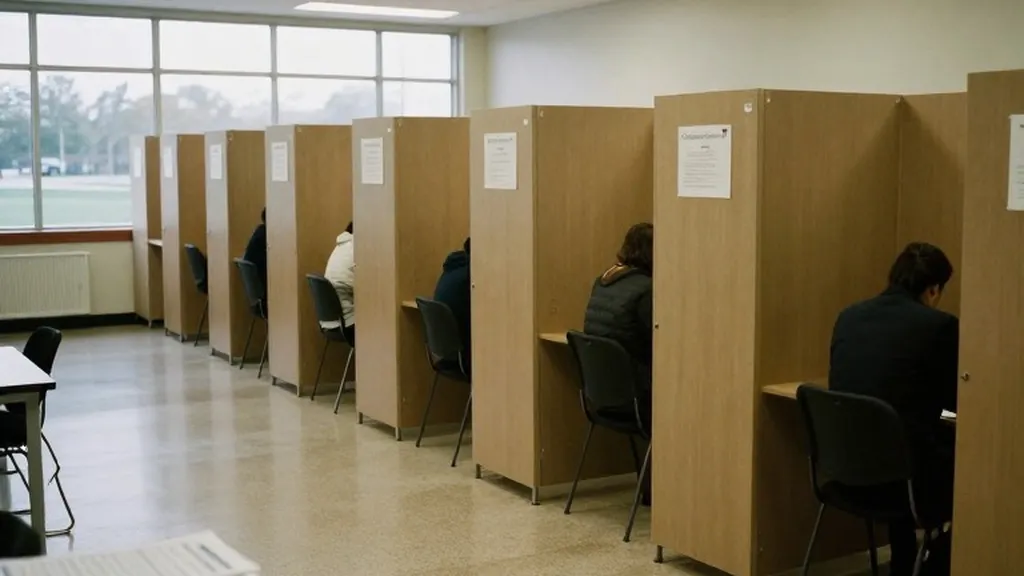
Early voting numbers indicate high engagement, with more than 57 million people having already cast their ballots as of Monday, surpassing the early vote totals from four years ago in many closely watched states. This surge in participation underscores the stakes of the election for voters who feel the weight of the cost of living and health care expenses. The U.S. Postal Service has added hours, staff, and special lines to ensure that mail ballots are counted on time, reflecting the logistical challenges of a high-turnout election.
Wall Street is also watching the results closely, as Reuters notes that the outcome could add to investor concerns about AI spending and debt ceiling negotiations. The market is seeking clarity on the balance of power in Congress, which will influence the administration’s ability to pass its legislative agenda. As polls open across the country, the focus remains on whether the American people will deliver a mandate for change or maintain the status quo, with every vote counting in the final tally for the House, Senate, and governorships.