Courts, mail and maps: The legal battles shaping the 2026 vote
Federal rulings on noncitizen voting and postal logistics are creating new variables in the fight for Congress.
By Marek Collins ·
On this Election Day, the fight for control of Congress is being shaped as much by federal courtrooms and postal facilities as by campaign rallies. Two significant legal decisions issued on Monday have altered the administrative landscape for voters and election officials across the country. These rulings, combined with the operational measures taken by the U.S. Postal Service, are central to the current midterm election cycle. The Associated Press notes that these developments are adding a layer of complexity to an already contentious process.
A federal judge temporarily barred the Trump administration from executing a plan designed to prevent noncitizen voting. This move was taken on Monday and has drawn attention from legal experts and political observers. Critics of the administration's plan argued that it risks disenfranchising eligible voters who are citizens but may be incorrectly flagged. They also contended that the plan infringes upon the states' traditional authority over the administration of their own elections. The temporary bar allows the current voting procedures to continue without immediate federal intervention in this specific area.
In a related development, another judge ordered the administration to stop demanding that California election officials segregate ballots cast by individuals on lists of suspected noncitizens. This order specifically addresses the handling of mail-in ballots in California, a state that relies heavily on postal voting. The ruling aims to streamline the counting process and reduce potential delays. By preventing the segregation of these ballots, the court has sought to ensure that the count proceeds smoothly in one of the most populous states. This decision is seen as a check on the federal government's attempt to impose specific verification methods on state-level operations.
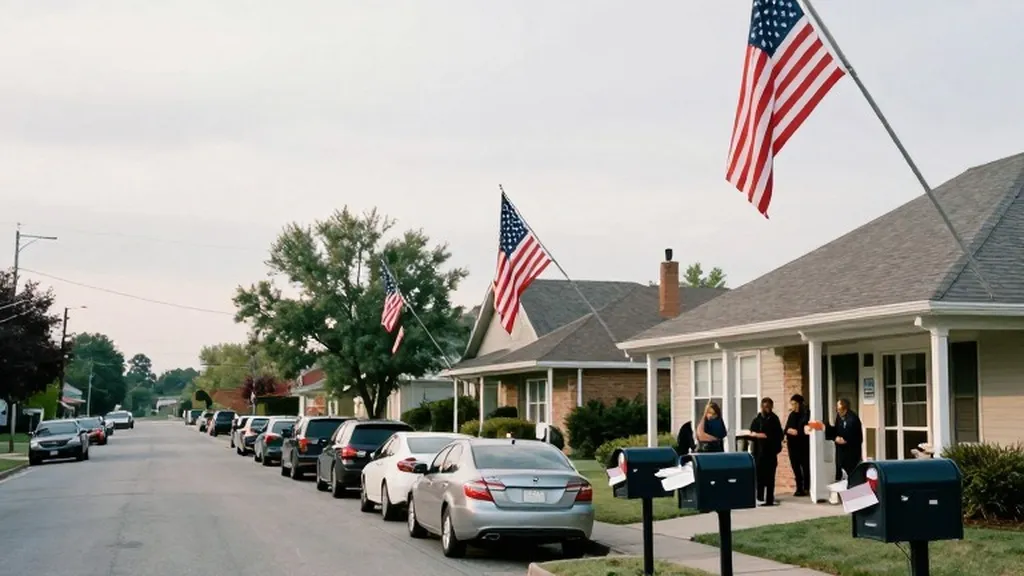
The U.S. Postal Service has responded to the high volume of expected mail ballots by adding hours, staff, and special lines. These measures are intended to ensure that mail ballots are counted on time and that the infrastructure can handle the surge in postal traffic. The Postal Service's additional resources are part of a broader effort to maintain the integrity and timeliness of the election results. This logistical support is critical for states where mail voting is a primary method of participation. The added capacity helps mitigate the risk of delays that could occur during the processing of millions of envelopes.
The legal and administrative challenges come against a backdrop of intense competition for the U.S. House and Senate. All 435 House seats are up for grabs, with Democrats needing a net gain of three districts to secure a majority. Republicans can afford to lose no more than two seats to maintain their control. In the Senate, 35 seats are contested, including two special elections. Democrats need a net gain of four seats to take the majority, while Republicans can lose only two. The margins in several key states are narrow, making every ballot and every administrative detail potentially decisive.
The Associated Press describes the election as a referendum on the president's second term, with many voters citing high prices and an unpopular war with Iran as primary concerns. Polling data indicates that a significant portion of the public feels the country is heading in the wrong direction. This sentiment is driving turnout in key battleground states. The legal battles over voting rules have the potential to influence how these voters cast their ballots and how those ballots are counted. The interplay between public opinion and legal procedure is a defining feature of this election cycle.
Money is playing a significant role in the race, with the 2026 elections likely to be the most expensive in history. Republican committees have outraised and outspent their Democratic counterparts, aided by support from Trump-affiliated groups and prominent donors. However, at the candidate level, Democrats have managed to outraise their opponents in many districts. This financial dynamic is influencing advertising strategies, with a large portion of Republican spending focused on states that the president won in the last presidential election. The allocation of funds reflects the strategic priorities of each party as they seek to maximize their chances of winning key seats.
Redistricting is another factor affecting the outcome, with six states using new congressional maps for this election. These new maps in California, Florida, Missouri, North Carolina, Tennessee, and Texas are changing the competitive landscape for many House races. Some new districts may not vote as drawn, adding an element of uncertainty to the final tally. The combination of new maps, legal rulings, and postal logistics creates a multifaceted challenge for both parties. Election officials are working to ensure that these changes do not disrupt the voting process or the subsequent count.
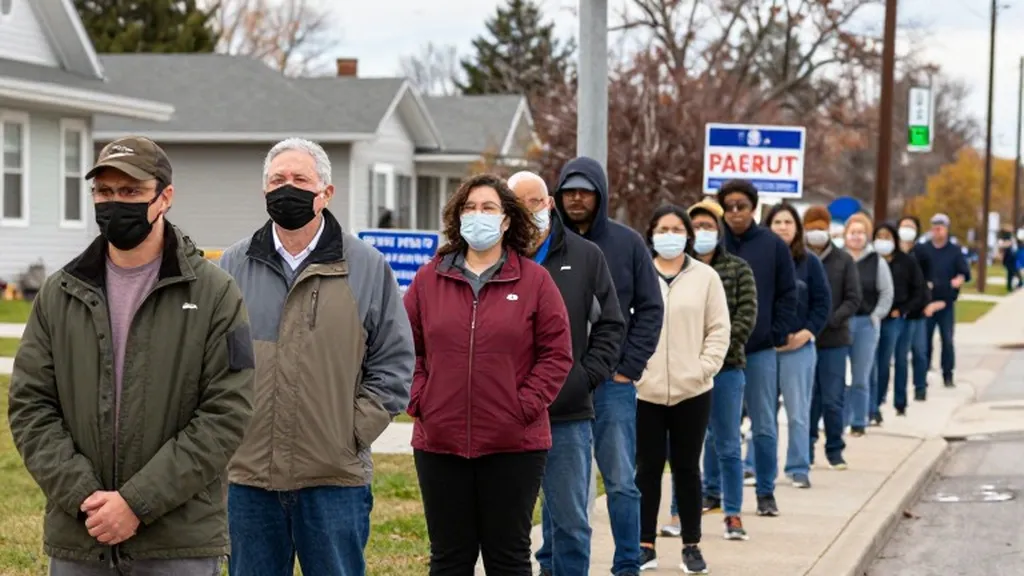
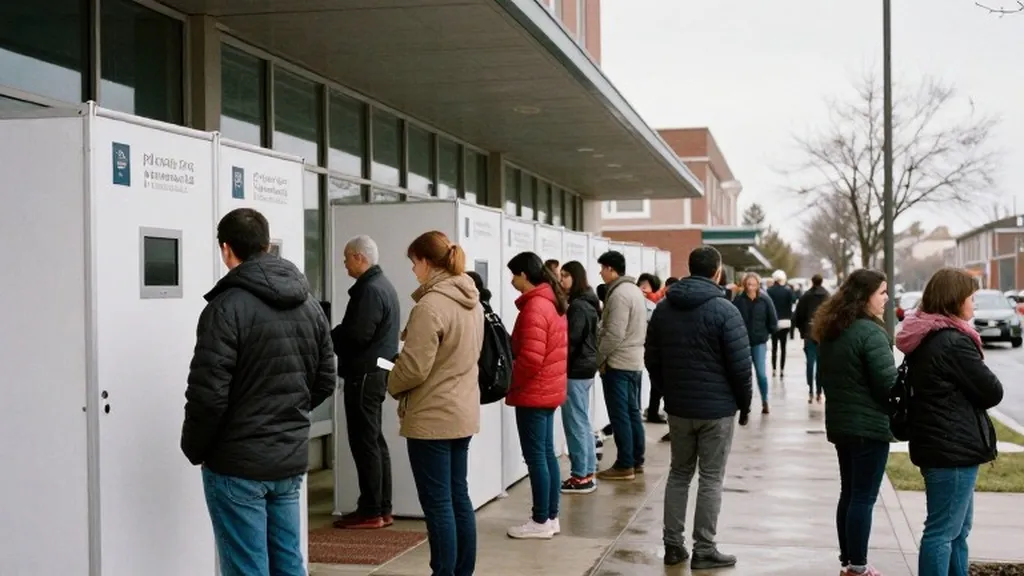
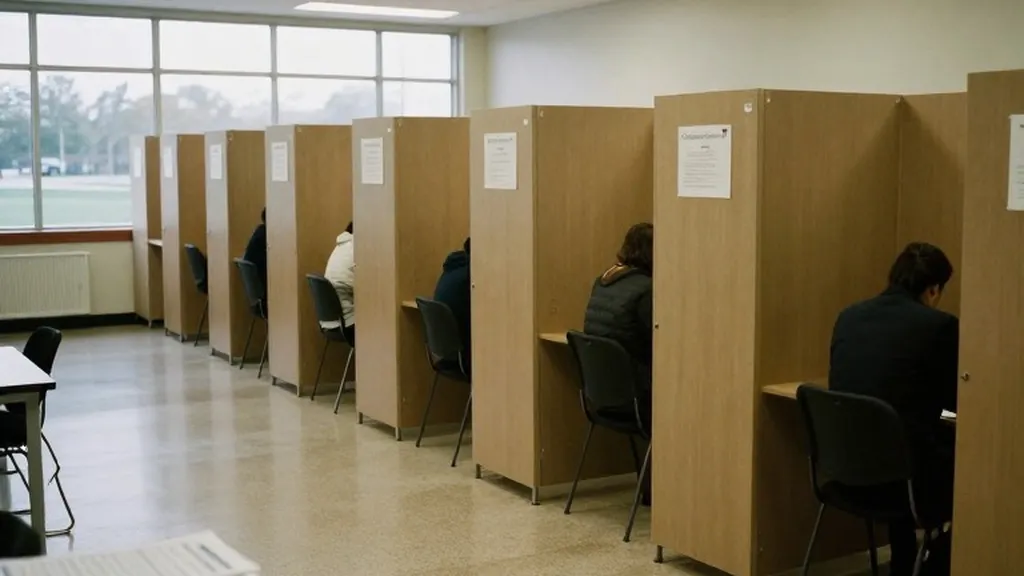
As polls open across the country, voters are heading to their local polling places or mailing in their ballots. The hours vary by state, with many locations opening between 6 a.m. and 8 a.m. and closing between 6 p.m. and 9 p.m. People in line when polls close are entitled to vote, a rule that may lead to long lines in closely contested areas. The focus now shifts from the pre-election legal battles to the act of voting itself. The courts and postal service have set the stage, but the voters will determine the final outcome of this critical midterm election.