Missouri Voters Keep Current Congressional Map and Strengthen Petition Rights
Amendment 6 passed with 60% support, while Proposition A failed, preserving existing district boundaries and raising the bar for legislative-initiated ballot measures.
By Noor Morgan ·
Missouri residents voted to retain their current congressional district lines and expand protections for the citizen initiative process on Tuesday. The dual outcome resolved two contentious measures that had dominated the state's election cycle.
Amendment 6 secured approval from 60% of voters. The new rule requires 80% of both the House and Senate to agree before a legislative proposal can be sent to the public. Even with that supermajority, citizens must still vote to accept or reject any such change. This framework keeps the power to place laws on the ballot firmly in the hands of the electorate.
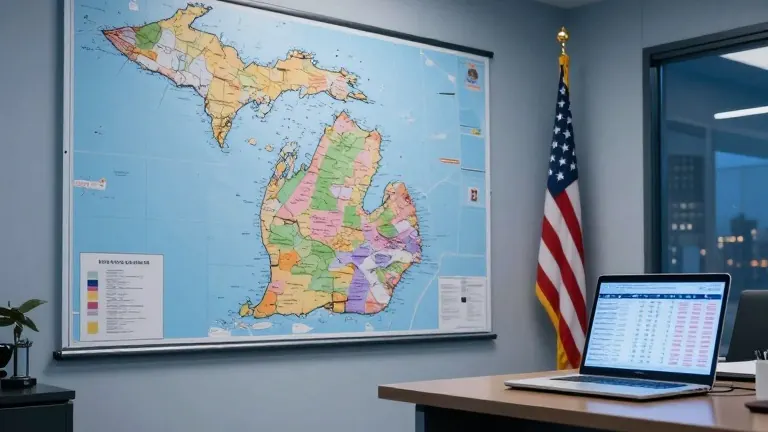
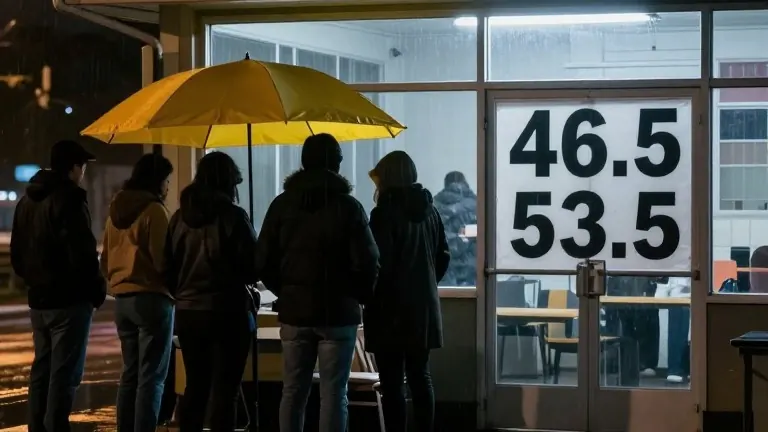
Voters simultaneously rejected Proposition A, which sought to replace the 2022 congressional map with a new 2025 version. Unofficial results from the Associated Press indicate that more than 60% of voters chose to keep the existing boundaries. The proposed 2025 map had redrawn districts mid-decade, notably expanding the 5th District to stretch from Kansas City to Jefferson City. Republicans had supported the change to secure additional seats.
The decision directly affected areas like Gladstone and parts of Clay County. Under the rejected plan, these regions would have shifted from the 5th District to the 6th. With the measure's failure, the current district boundaries will remain in place for upcoming congressional elections.
Richard Von-Glahn, executive director of the People Not Politicians group, celebrated the result. He stated that the vote sent a clear message to state leaders who he said had ignored local concerns in favor of national interests. Von-Glahn noted that Missourians had previously warned the governor and legislature against the change, but felt they were overruled by outside forces.
The split decision leaves the state with unchanged congressional maps and a higher threshold for legislative-driven ballot initiatives. The current district lines will guide the next cycle of congressional contests.
Source: KSHB 41